Canada, China announce new strategic partnership after Carney visit to Beijing
Share

Share

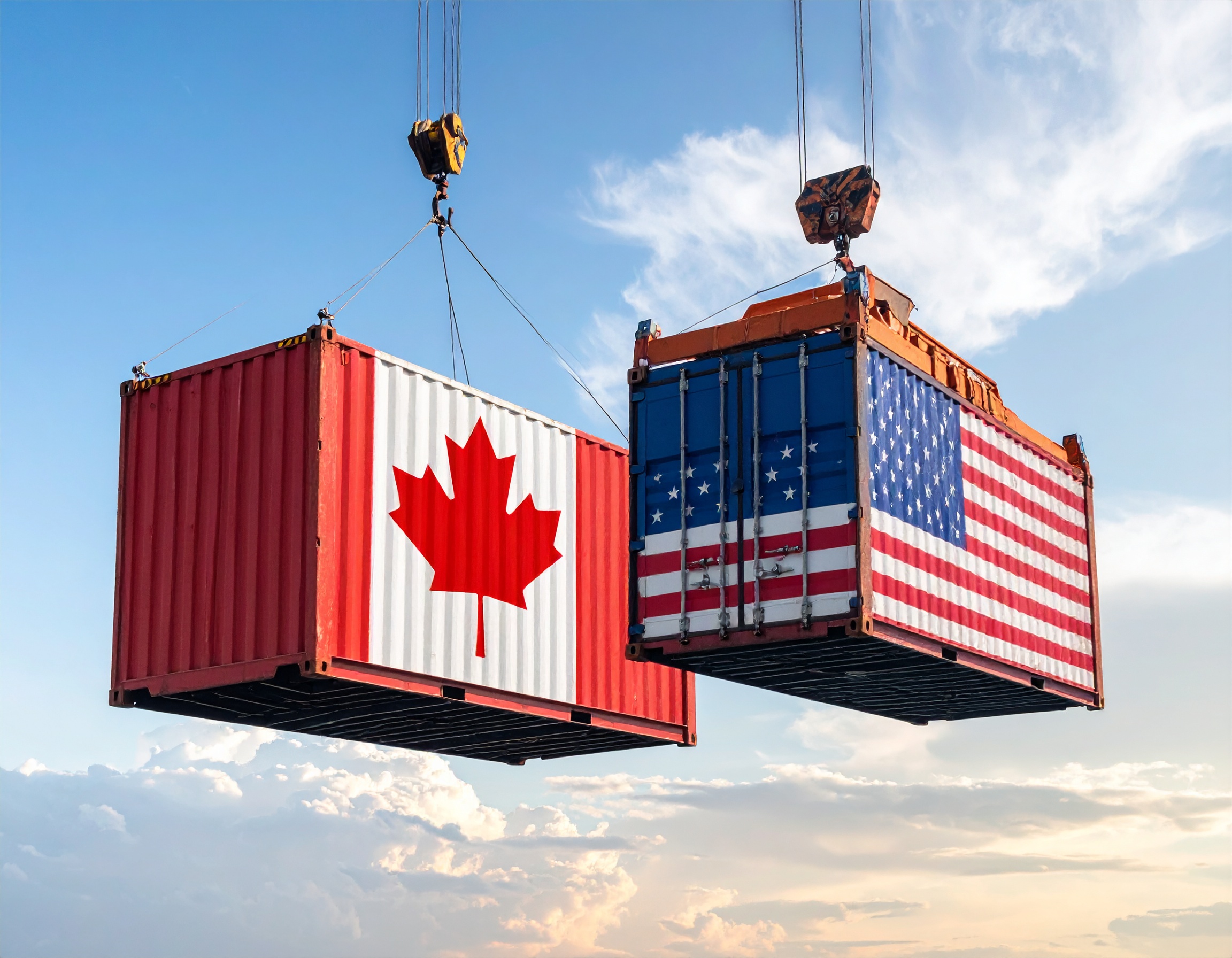
Prime Minister Mark Carney and Chinese President Xi Jinping have announced a new Canada-China strategic partnership following meetings in Beijing this week, marking the first visit to China by a Canadian prime minister since 2017.
Carney met with Xi, Chinese Premier Li Qiang and Zhao Leji, chairman of the Standing Committee of the National People’s Congress. Following talks with Xi, the two leaders released a joint statement outlining cooperation across energy, trade, climate policy, investment and global governance.
A central element of the agreement focuses on expanded collaboration in energy, clean technology and climate competitiveness. Both countries committed to growing two-way energy cooperation and scaling up investment in batteries, solar, wind and energy storage. While in Beijing, Carney also met with Chinese business leaders to identify opportunities for investment in Canada’s clean energy and technology sectors.
As part of the agreement, Canada will allow up to 49,000 Chinese electric vehicles into the Canadian market at a most-favoured-nation tariff rate of 6.1 per cent. The volume reflects import levels prior to recent trade frictions and represents less than three per cent of Canada’s annual new vehicle market. Ottawa expects the arrangement to lead to Chinese joint-venture investments in Canada’s auto sector within three years and to support the development of a domestic EV supply chain. The government also anticipates that within five years more than half of the imported vehicles will be priced under $35,000.
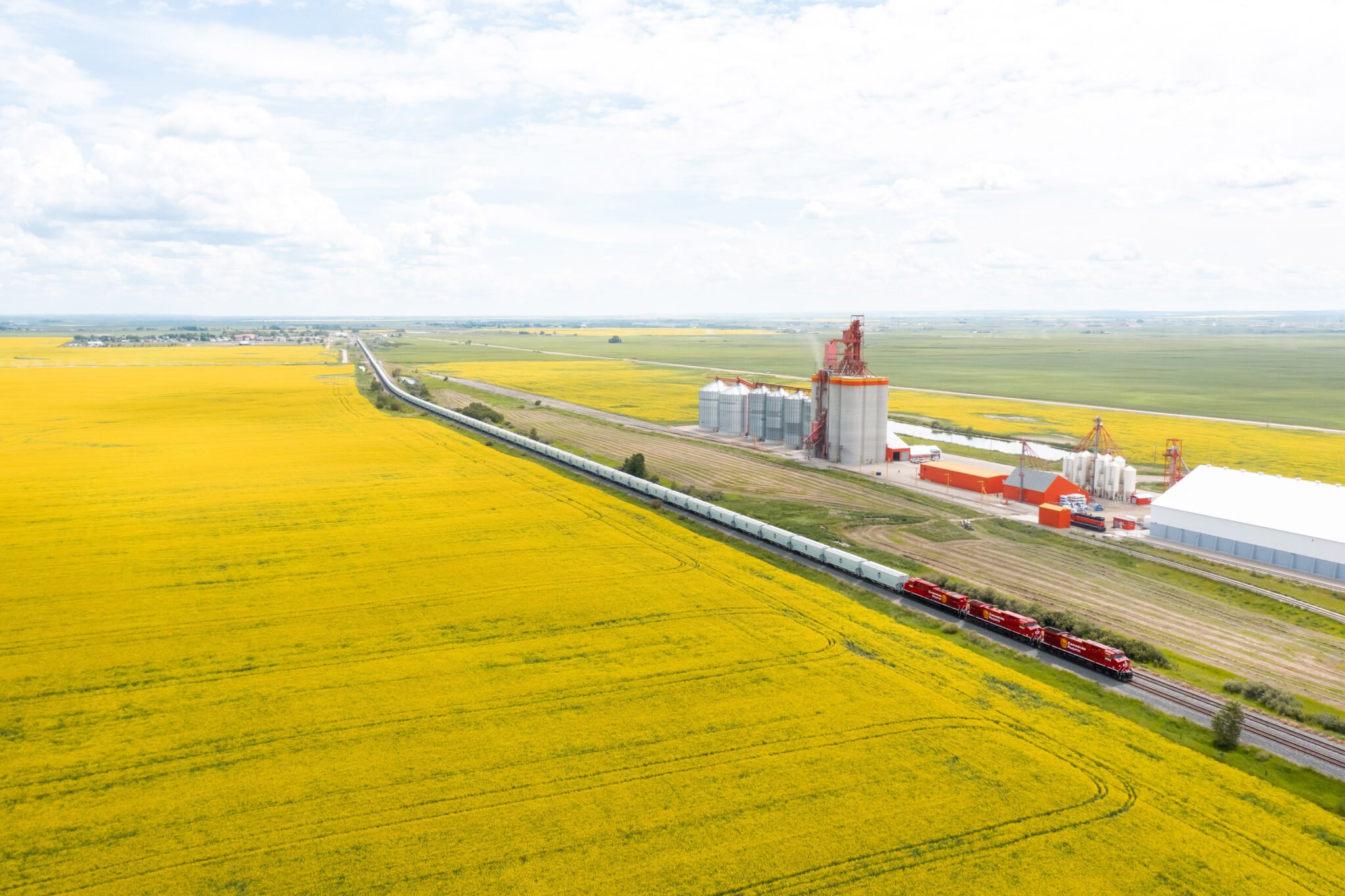
The two countries also reached a preliminary agreement aimed at easing long-standing trade barriers, particularly in agriculture. Canada expects China to reduce tariffs on Canadian canola seed to about 15 per cent by March 1, down from roughly 85 per cent. Ottawa also expects canola meal, lobsters, crabs and peas to be exempt from certain anti-discrimination tariffs over the same period. The federal government said the measures could unlock nearly $3 billion in additional Canadian exports.
Grain Growers of Canada (GGC) applauded the renewed engagement between Canada and China and the announcement of preliminary steps to de-escalate recent trade tensions.
“For Canada’s grain farmers, restoring predictability and access to key export markets matters. China is Canada’s second-largest grain market, and prolonged trade disruptions have had real consequences on farm revenues, cash flow and confidence,” GGC said in a statement. “Any progress that lowers barriers for Canadian agricultural products, including canola and pulses, is a positive step for farmers who depend on stable, rules-based trade.”
Ontario Premier Doug Ford, however, criticized the move, saying China will take advantage of Canadian workers with its newly established footprint now in Canada.
“The federal government is inviting a flood of cheap made-in-China electric vehicles without any real guarantee of equal or immediate investments in Canada’s economy, auto sector or supply chain,” Ford posted on X. “Worse, by lowering tariffs on Chinese electric vehicles this lopsided deal risks closing the door on Canadian automakers to the American market, our largest export destination, which would hurt our economy and lead to job losses. “
The federal government has set a goal of increasing exports to China by 50 per cent by 2030. Discussions also included expanding investment in agri-food, wood products, clean energy and technology.
Canada and China agreed to deepen cooperation on multilateral institutions, climate competitiveness and financial stability and to work together through forums such as APEC. Ottawa said it looks forward to contributing to China’s 2026 APEC presidency and welcomed Beijing’s support for Canada’s bid to host the 2029 summit.
Carney said the visit followed months of engagement between the two governments and confirmed he plans to return to China for the 2026 APEC Leaders’ Summit.
“At its best, the Canada-China relationship has created massive opportunities for both our peoples. By leveraging our strengths and focusing on trade, energy, agri-food and areas where we can make huge gains, we are forging a new strategic partnership that builds on the best of our past, reflects the world as it is today and benefits the people of both our nations,” Carney said.


Leave a Reply