Warehouse automation market weathers turbulent 2025, poised for growth in 2026: report
Share

Share
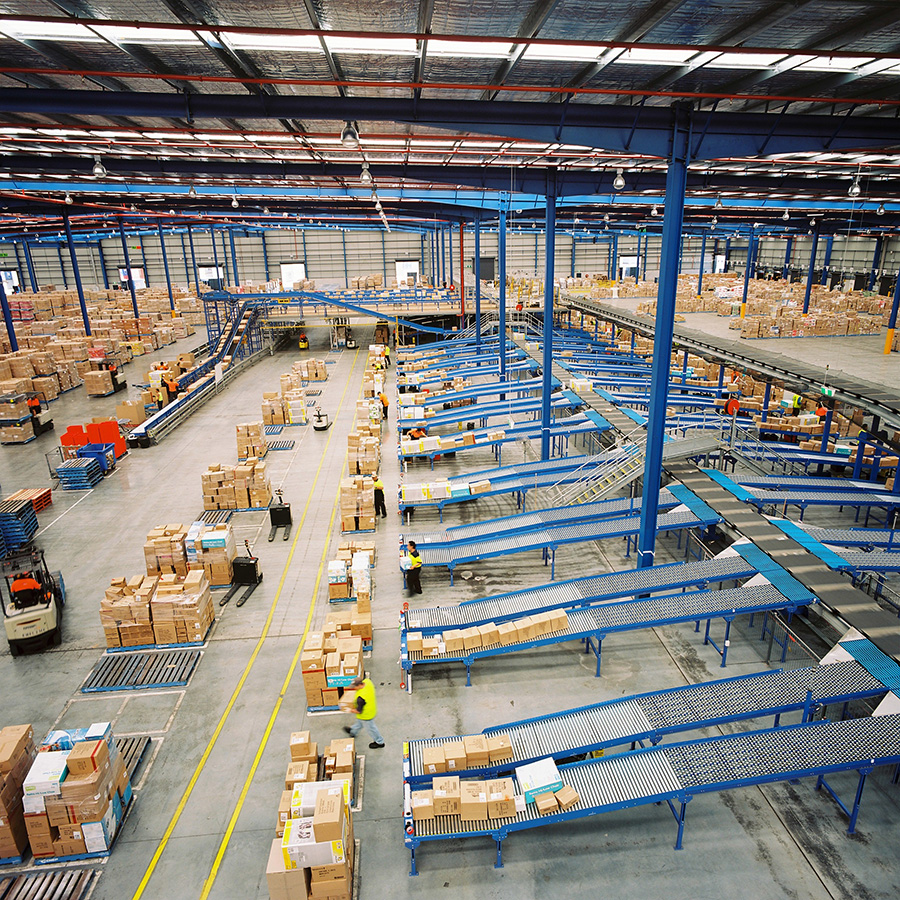
The global warehouse automation market endured a volatile 2025 marked by economic uncertainty, geopolitical tensions and industry shakeups, but is expected to see more balanced growth in 2026, according to a new report from Interact Analysis.
The market faced significant disruption last year, with some automation vendors struggling financially. Attabotics filed for bankruptcy, while others restructured operations, including the closure of Zebra Technologies’ robotics division. Despite those challenges, warehouse automation order intake exceeded expectations, driven largely by major investments from large retailers such as Amazon, Tesco and Marks & Spencer.
Rueben Scriven, research manager at Interact Analysis who did the report, said several factors fuelled order growth in 2025, including rising raw material costs that increased system prices, a concentration of large-scale retail investments, and reduced economic uncertainty in the second half of the year that released pent-up capital spending.
The report describes 2025 as a year of contrasting trends, with cautious spending across much of the industry offset by aggressive investment from a small number of major customers that helped sustain overall demand.
Looking ahead, Interact Analysis expects demand to expand beyond large corporations in 2026 as broader economic conditions improve. Lower interest rates in key markets such as the United States and Europe are expected to support investment, while anticipated tax refunds tied to new U.S. legislation could stimulate consumer demand and increase pressure on supply chains, prompting further automation spending.
Warehouse vacancy rates, which have climbed since late 2022, appear to have stabilized and are expected to decline, potentially driving higher rents and encouraging new construction. However, the report suggests new warehouse developments are more likely to influence automation orders in 2027 rather than this year.
In China, economic conditions are beginning to improve despite structural challenges. Forecasts from major financial institutions suggest stronger growth in 2026, supported by improved trade relations and government stimulus aimed at boosting domestic consumption.
Interact Analysis said geopolitical instability continues to shape supply chain strategies, pushing companies to adopt flexible automation technologies that allow them to adapt quickly to disruptions. The report notes that supply chain resilience has become a central priority since the COVID-19 pandemic.
However, several risks could affect the market outlook. A pending U.S. Supreme Court decision on the legality of Trump-era tariffs could lead to policy changes or tariff refunds that may influence corporate investment decisions. The report also warns of a potential global shortage of advanced memory components, which could increase costs for some automation systems, particularly those that rely heavily on onboard computing.
Despite those risks, Interact Analysis said the warehouse automation sector enters 2026 with improving fundamentals and expectations for more evenly distributed growth across vendors and customers.



Leave a Reply