Visibility, automation and AI redefine supply chain operations, says FedEx report
Share

Share
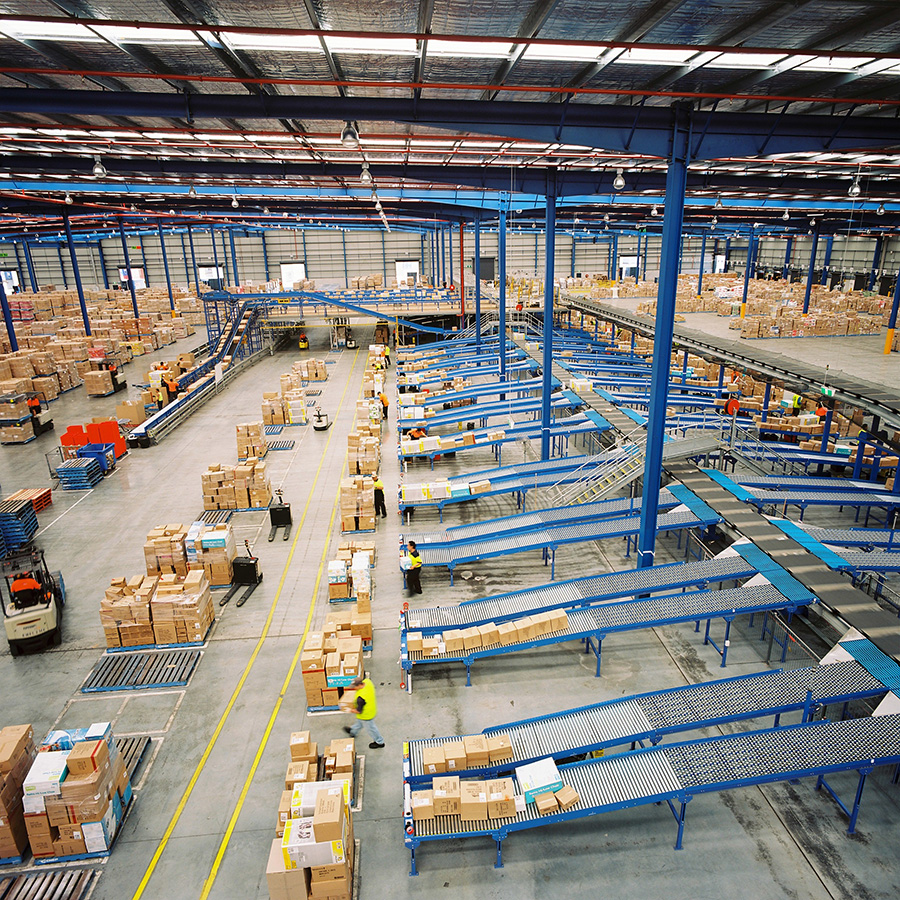
FedEx’s B2B Business Trends 2026 says businesses across industries are adapting to rapid technological change, rising customer expectations and ongoing supply chain complexity, as trends that were once considered emerging become standard operating practice.
The report points to four key developments that are shaping how companies compete, serve customers and manage risk in 2026.
Supply chain visibility and automation have become core requirements for resilience. Companies are using connected systems, automation and predictive tools to monitor shipments in real time, identify disruptions earlier and improve decision-making.
Industry research shows IoT-enabled sensors can detect more than 60 per cent of potential supply chain disruptions earlier, allowing organizations to respond proactively.
B2B buying behaviour is also increasingly mirroring consumer expectations, according to the FedEx report. Business customers now expect speed, transparency and ease of use, including real-time tracking, clear delivery timelines and digital self-service options.
Research indicates 75 per cent of B2B buyers would switch suppliers for a better experience, prompting companies to invest in mobile-first portals, AI-powered customer support and personalized communications.
Artificial intelligence adoption has moved from experimental to essential. Small and medium-sized businesses are embedding AI into daily operations, including customer support, marketing, accounting, forecasting and search visibility.
Eight in 10 small business owners say AI and technology have helped them navigate inflation, supply chain challenges and access to capital, according to industry data.
Health-care logistics is also emerging as one of the most complex and critical supply chain environments. Growth in home health, specialty care, wearables, GLP-1 therapies and telehealth are increasing demand for reliable, technology-enabled logistics that support compliance and direct-to-consumer fulfillment.
Industry data suggests big data analytics can reduce equipment downtime in healthcare logistics by half, improving efficiency and supporting continuity of care.
As care delivery increasingly shifts closer to the home, logistics performance is becoming central to patient experience and outcomes.
Visit here for the full report.



Leave a Reply