U.S. container imports decline in February as geopolitical tensions cloud trade outlook: Descartes
Share

Share
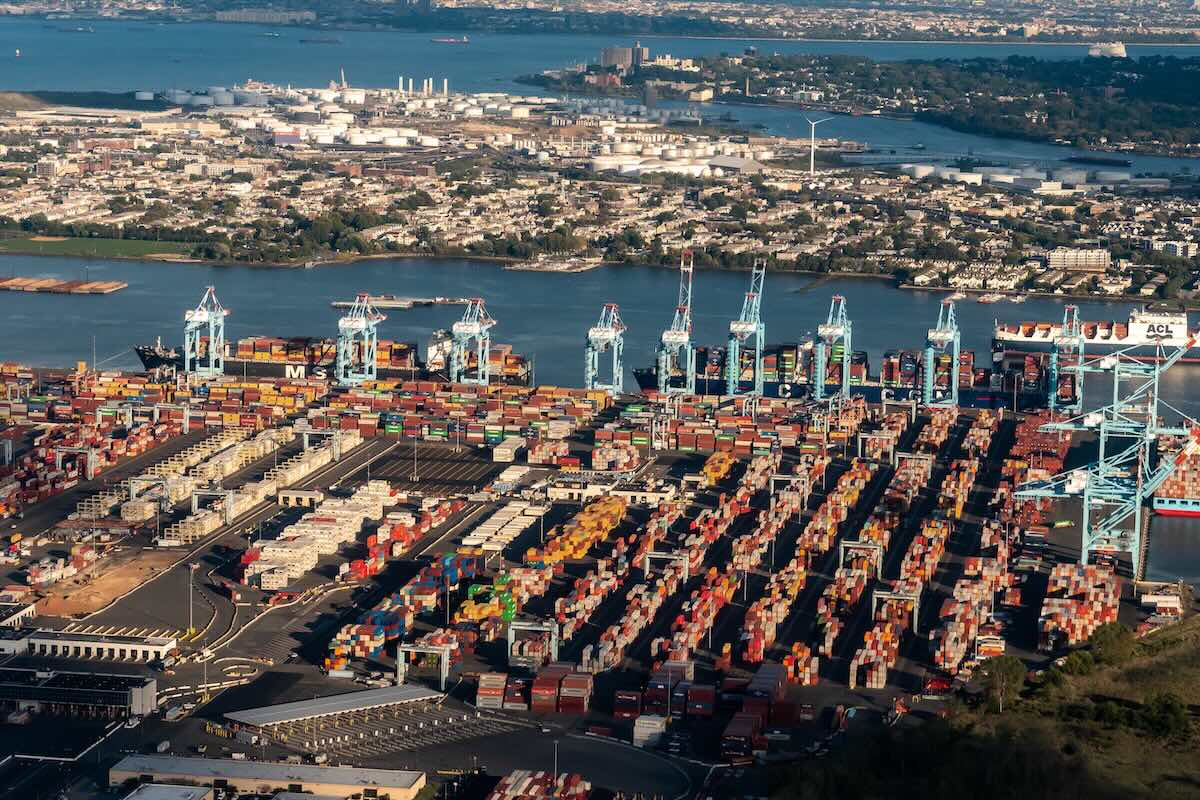
U.S. container import volumes declined in February but remained in line with typical seasonal patterns, according to Descartes Systems Group’s latest Global Shipping Report.
Descartes said U.S. container imports totalled 2,093,422 twenty-foot equivalent units (TEUs) in February 2026, down 9.7 per cent from January and 6.5 per cent compared with February 2025. Despite the decline, the company said volumes remained 17 per cent above February 2019 levels and ranked as the fourth-strongest February on record.
The report said the month-over-month drop reflects typical seasonal patterns following January’s activity and suggests importers are operating within ongoing policy uncertainty rather than accelerating shipments.
Imports from the top 10 countries of origin fell 9.4 per cent month-over-month, with broad declines across major Asian sourcing markets.
China-origin imports dropped 5.5 per cent after rising 9.3 per cent in January. Other declines included Vietnam, down 11.6 per cent; Thailand, down 19.9 per cent; India, down 17.5 per cent; and South Korea, down 17 per cent.
Only two countries recorded gains in February, with imports from Germany increasing 5.5 per cent and Hong Kong rising 0.4 per cent.
“While February volumes suggest underlying demand remains relatively stable, the military conflict in the Middle East, evolving U.S. tariffs and ongoing trade tensions have increased routing, cost and policy uncertainty for importers,” said Jackson Wood, director of industry strategy at Descartes. “To minimize global shipping challenges, importers remain focused on strategies, tactics and technologies to help navigate disruption, manage cost exposure and strengthen supply chain resilience in a global trade environment characterized by ongoing volatility.”
The company said port transit delays showed mixed but moderate changes in February, with no signs of widespread congestion, even as geopolitical tensions and shifting trade policies continue to shape supply chain planning.
Visit here for the full report.




Leave a Reply