Tariff changes and global disruptions add pressure to supply chains
Share

Share
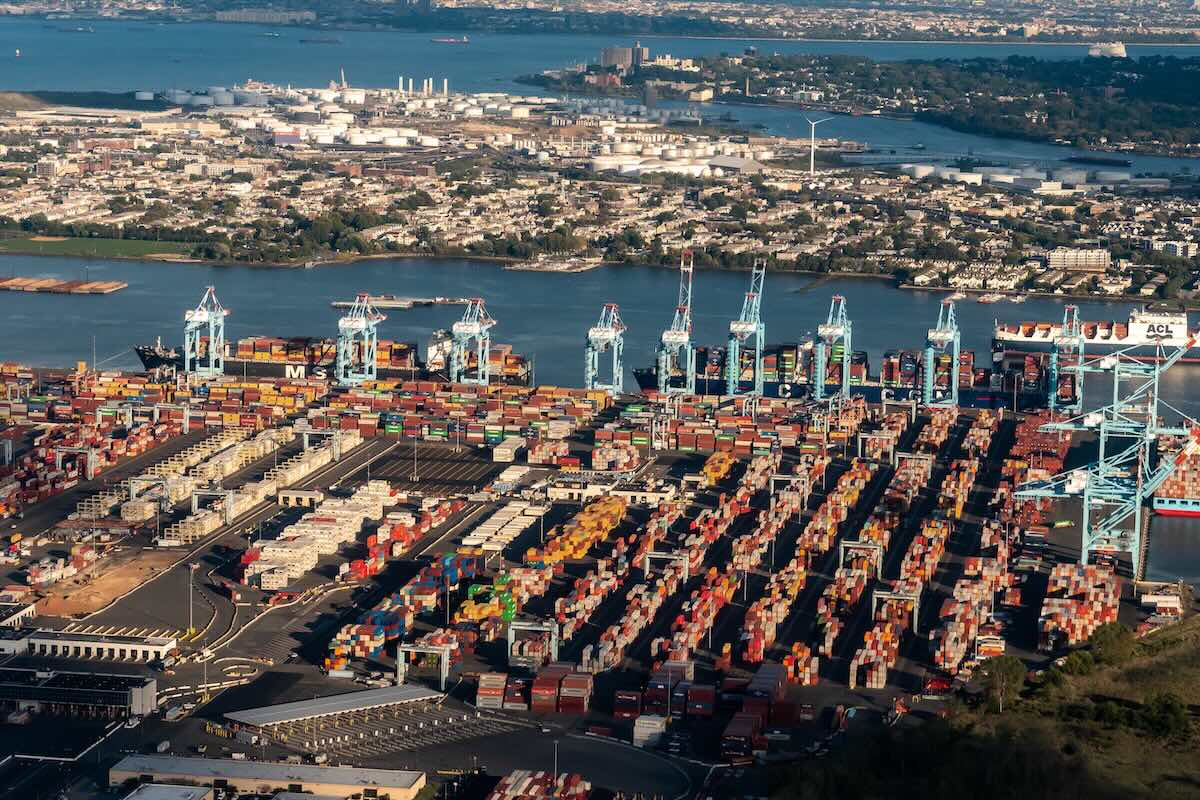
Recent U.S. tariff changes and geopolitical disruptions are creating new challenges for global supply chains, affecting freight capacity, transportation costs and trade flows, according to UPS’ new market update.
The U.S. government imposed a temporary 10 per cent tariff on most imports under Section 122 of the Trade Act of 1974 after the Supreme Court of the United States ruled Feb. 20 to end tariffs previously introduced under the International Emergency Economic Powers Act.
The tariff, which took effect Feb. 24 and is set to remain in place for 150 days, applies broadly to imports but includes exemptions for certain goods, including products that qualify under the United States–Mexico–Canada Agreement and shipments already in transit.
The Office of the United States Trade Representative said the rate could increase to 15 per cent or higher for some countries depending on economic conditions.
Trade data from the United States Department of Commerce shows the U.S. trade deficit widened to $70.3 billion in December, bringing the total for 2025 to $901.5 billion, the highest level recorded since 1960.
At the same time, disruptions in the Middle East are affecting global transportation networks. Airspace closures and airport restrictions in the Gulf have forced airlines to cancel or reroute flights through early March, tightening air freight capacity and increasing fuel costs.
Dubai, a major hub that handled about 20 per cent of global gold flows last year, has seen shipments of precious metals disrupted as flights are grounded and exports halted.
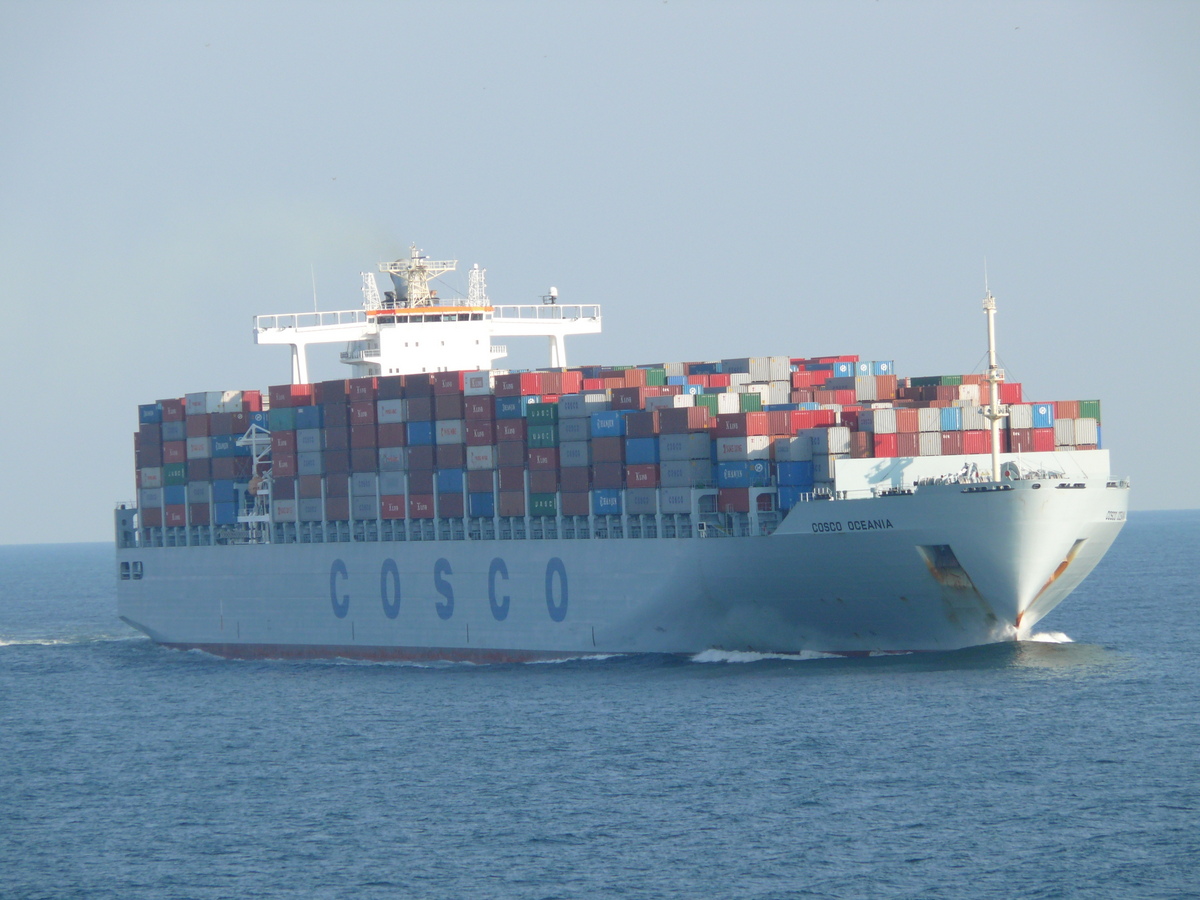
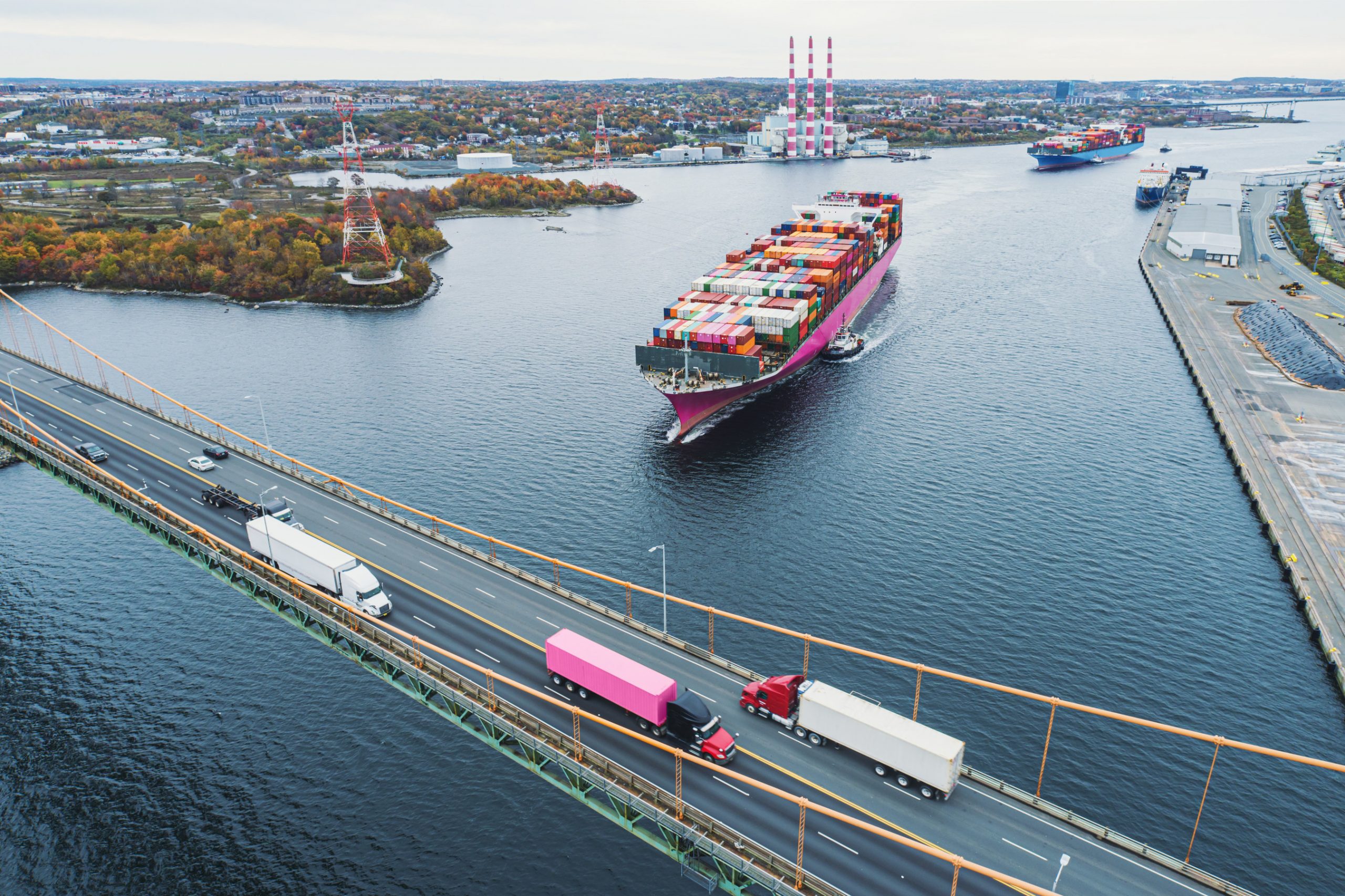
Ocean shipping is also facing challenges as major container lines suspend Red Sea transits due to rising security risks, rerouting vessels around southern Africa. Emergency surcharges and higher marine insurance rates could increase transportation costs and extend transit times on key trade routes.
Despite the disruptions, analysts project global container demand will grow about 1.7 per cent this year, although higher energy prices could dampen economic activity and shipping demand.
Meanwhile, truckload capacity in the United States is rising modestly, with larger carriers expanding fleets while shifting more equipment into dedicated and specialized services as they prepare for a potential market recovery.
Visit here for the full update.


Leave a Reply