Supply Chain Report points to softening demand, shifting compliance rules
Share

Share

ITS Logistics says supply chain demand in the U.S. continued to soften in November as spot rate volatility eased and new compliance standards for non-domiciled commercial drivers began reshaping the industry.
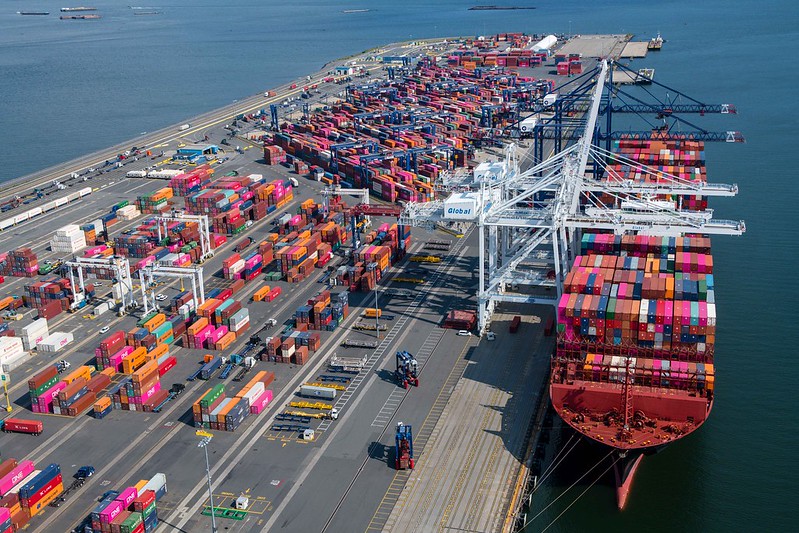
In its latest Supply Chain Report, the third-party logistics provider notes a slowdown in container volumes at U.S. ports, breaking from traditional month-over-month growth despite recent progress in U.S.–China trade negotiations. Broader economic signals remain unclear due to delayed federal reporting, but persistent inflation and ongoing job losses are contributing to more cautious consumer behaviour heading into the holiday season.
The U.S. Bank National Shipment Index reported a 2.9 per cent decline in third-quarter shipping volumes, reversing second-quarter gains. At the same time, shipment spend rose — in some regions by double digits — as shippers “are paying more to move less” amid market exits and tightening capacity. Contract rates are up, while spot rates have dipped slightly after weeks of volatility driven by scrutiny of non-domiciled licensing and English language proficiency requirements.
A U.S. Court of Appeals issued an administrative stay on a Federal Motor Carrier Safety Administration rule tightening licensing regulations, allowing states to continue issuing and renewing commercial licences for non-citizens. But the industry has already begun shifting: California plans to cancel 17,000 licences for regulatory non-compliance, while Nevada will phase out non-domiciled and limited-term licences.
“These changes in license issuance, carrier vetting, and ongoing roadside driver checks signal a major refocus on compliance,” stated Josh Allen, chief commercial officer at ITS Logistics. “The federal government has made it clear that it intends to hold carriers and shippers accountable for hiring unqualified drivers, increasing the need for more stringent review of who is moving freight.”
U.S. container imports fell 0.1 per cent month-over-month in October to 2.3 million TEUs, narrowing year-to-date growth margins. China-origin imports rose 5.4 per cent, coinciding with trade discussions that yielded a one-year suspension of port call fees and reduced cumulative tariffs to 47 per cent.
Despite lower consumer confidence, core holiday retail spending remains up, rising 0.6 per cent in October and 4.89 per cent year-over-year, with total spending expected to surpass US$1 trillion. Research suggests individual spending may decline by 10 per cent as consumers remain cautious.
ITS Logistics provides network transportation, distribution and fulfilment services across North America, with coverage to 95 per cent of the U.S. population within two days.







Leave a Reply