Canada unveils new measures to bolster steel, lumber sectors amid U.S. tariffs
Share

Share
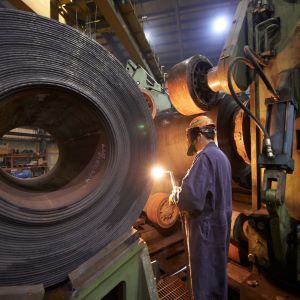
The Canadian government is rolling out a plan to help the country’s steel and softwood lumber industries from the impact of U.S. tariffs, introducing tighter import controls, new procurement rules and fresh support for workers and businesses.
The package includes stricter limits on foreign steel imports, with tariff rate quotas for non-free trade partners to be cut from 50 per cent to 20 per cent of 2024 levels, and from 100 per cent to 75 per cent for non-CUSMA partners with existing free trade deals. A global 25 per cent tariff will also apply to several steel-derivative products, including wind towers and fasteners.
The government says the measures, combined with tougher enforcement against steel dumping, are expected to generate more than $1 billion in new domestic demand for Canadian steel.
To encourage greater use of Canadian materials, Ottawa plans to work with railways to reduce interprovincial freight rates for steel and lumber by 50 per cent starting in spring 2026. Its new Build Canada Homes agency will prioritize projects that can begin within a year and use Canadian wood products, generating an estimated $70 million to $140 million in additional demand next year.
A forthcoming Buy Canadian Policy will require contracts over $25 million, as well as federal grants and contributions, to prioritize Canadian steel and lumber.
Support for workers and companies includes more than $100 million over two years for employers with Work-Sharing agreements that commit to employee training, potentially helping up to 26,000 workers. The Business Development Bank of Canada will receive an additional $500 million for its Softwood Lumber Guarantee Program, and $500 million more will be available through the Large Enterprise Tariff Loan facility.
The government will also launch a Canadian Forest Sector Transformation Task Force and create a single-window system to streamline access to federal supports.
“Federal procurement is a powerful tool to support Canadian industries. Through the Buy Canadian Policy, we are prioritizing Canadian materials in government projects, backing companies that are modernizing, investing in new technologies and creating good jobs that sustain local economies and support families across the country,” said Joël Lightbound, minister of government transformation, public works and procurement. “This approach ensures public investment helps workers, businesses and communities thrive, while positioning Canada for long-term growth and competitiveness.”
Industry ministers echoed that message, emphasizing the need to protect jobs and stabilize supply chains.
Unifor said it was encouraged by new federal government support measures for the forestry and steel industries, both of which have been hard-hit by the ongoing U.S. trade war.
“Our forestry and steel communities have been pushed to the brink by the trade war. These new measures are a welcome step, but they must translate into immediate supports that stabilize jobs today while preparing our industries for the future,” said Unifor National President Lana Payne. “Building with Canadian lumber and steel is how we protect jobs, strengthen our economy and push back against unfair U.S. trade tactics.”








Leave a Reply