U.S. Supreme Court rules against President Trump’s authority to impose tariffs
Share

Share
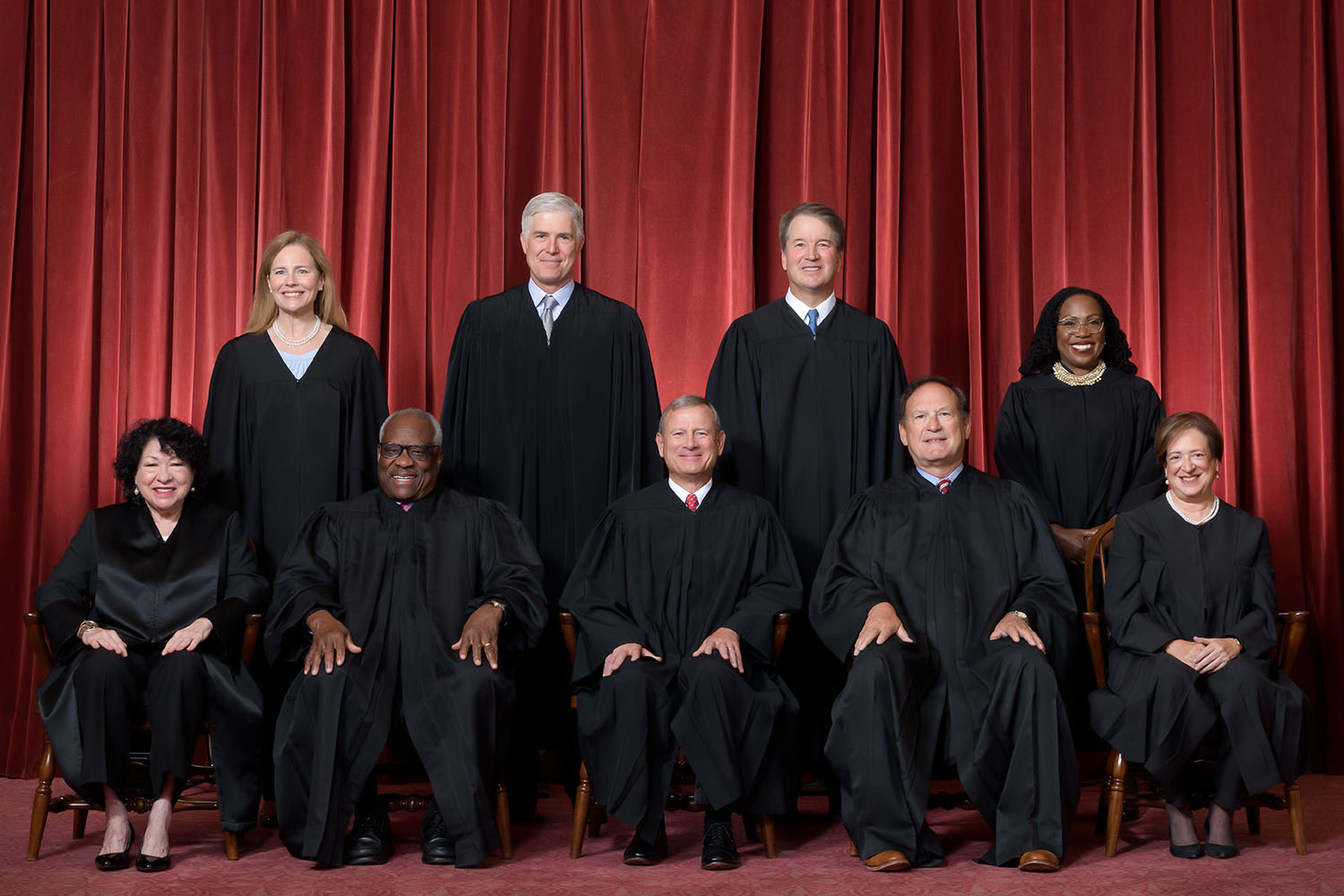
The U.S. Supreme Court has ruled that the U.S. president does not have the authority to impose broad tariffs under a law called the International Emergency Economic Powers Act (IEEPA).
After taking office, President Donald Trump declared national emergencies related to illegal drug trafficking and large trade deficits. Using IEEPA, he imposed tariffs, including 25 per cent on many goods from Canada and Mexico, 10–20 per cent on Chinese goods and at least 10 per cent on imports from nearly every country. Trump later raised some of these tariffs dramatically.
Several small businesses and states sued, arguing that IEEPA does not allow a president to create tariffs. The Supreme Court announced today (Feb. 20) that it agreed.
The court explained that the Constitution gives Congress, not the president, the power to impose taxes and tariffs. While IEEPA allows the president to “regulate” imports during national emergencies, the court said that word does not clearly include the power to tax. Tariffs are a form of taxation, the court said, and such major economic decisions must be clearly authorized by Congress.
Because Congress never explicitly gave presidents tariff-setting power in IEEPA, the court ruled that the tariffs were unlawful.
C.H. Robinson’s president of global forwarding Mike Short said there are still significant unknowns following the Supreme Court’s ruling.
“The court did not address remedies or refunds, leaving those issues to be decided by the administration, Congress or litigation,” he said. “While the tariffs issued under the IEEPA end, this decision does not necessarily spell the end of this U.S. Administration’s approach to trade policy. We expect the administration to introduce replacement tariffs under different authorities, at a similar level.
“The basic things companies should do to build resilience haven’t changed. Importers should explore cost-reduction strategies such diversifying sourcing, using free trade zones and optimizing transportation and warehousing.”

Leave a Reply