Capacity management, cautious demand shape early 2026 trade outlook
Share

Share
Global trade conditions entering 2026 are being shaped by softer demand, tighter capacity management and shifting policy dynamics, particularly on Asia–North America routes, according to UPS’ Freight and Logistics News and Market Update.
Air freight rates dropped sharply in early January, with the Baltic Air Freight Index falling more than 14 per cent week over week as post-holiday demand eased. The decline coincided with a roughly 10 per cent reduction in global freighter capacity as airlines adjusted supply following year-end peaks. Most major trade lanes saw lower rates, though select Asia routes strengthened, including Bangkok-to-Europe and Taiwan-to-Europe and U.S. lanes, supported by continued demand tied to artificial intelligence and semiconductor shipments. Despite the near-term pullback, air cargo capacity is expected to remain constrained through 2026 due to ongoing aircraft delivery delays.
Policy changes are also influencing flows. Tighter U.S. enforcement of de minimis rules is redirecting China-origin parcels through Southeast Asia, lengthening transit times and increasing logistics complexity. At the same time, aircraft groundings and delivery delays are tightening capacity on Asia–U.S. lanes, contributing to uneven demand patterns.
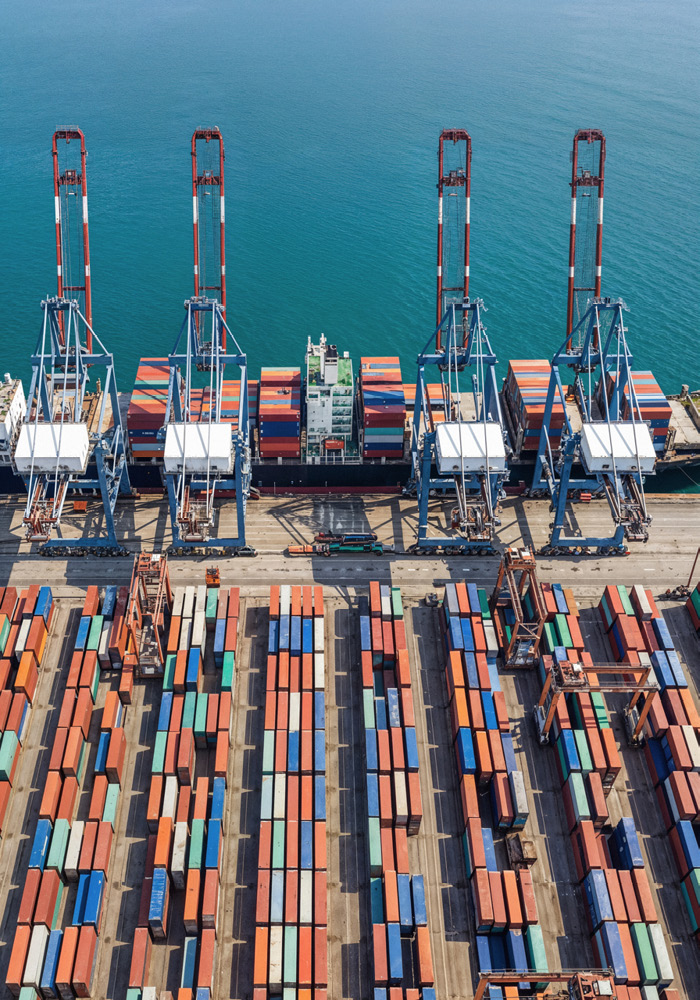
In ocean shipping, U.S. East and Gulf coast ports are pressing ahead with intermodal rail projects and terminal expansions despite softer container volumes following tariff-driven volatility earlier in 2025. Port authorities are investing in near-dock rail, deeper channels and expanded berths to improve connectivity and accommodate larger vessels, even as volumes are expected to remain weak through at least the fourth quarter.
Rail sector consolidation remains a focal point. Union Pacific’s proposed acquisition of Norfolk Southern includes more than $1 billion in planned investments aimed at accelerating transit on key corridors, including a new single-line service from Southern California to the U.S. Northeast. However, rival railways argue the proposal understates potential service disruptions and terminal congestion, issues federal regulators must weigh before advancing the review.
Meanwhile, the multipurpose vessel market, which remained stable through 2025, is expected to face increased pressure in 2026 as lower container freight rates draw some breakbulk cargo away. While longer-term demand from alternative fuel and energy-related projects could provide support, near-term headwinds are expected to persist.
U.S. retailers, for their part, are managing inventories cautiously ahead of the Lunar New Year, leaving carriers focused on preserving rate stability rather than pursuing significant increases.
Visit here for the full report.





Leave a Reply