Report says Canada faces infrastructure shortfall as trade demands grow
Share

Share
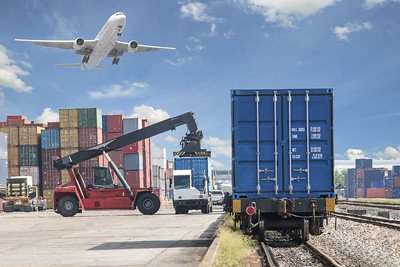
Canada’s trade-enabling infrastructure is falling behind global competitors, with aging assets, capacity bottlenecks and decades of underinvestment threatening the country’s ability to support future growth, according to a new analysis.
The report, from Prerna Sharma, senior economist, Economic and Political Intelligence Centre (EPIC) at Export Development Canada (EDC), says Canada invests less in infrastructure than many Organization for Economic Co-operation and Development (OECD) peers. In 2018 (the most recent year with comparable data), Canada spent 0.6 per cent of its GDP on infrastructure, compared to an average of 0.72 per cent in France, Germany, Italy and Japan. Transport Canada estimates the country will require $4.4 trillion in trade-enabling infrastructure investments by 2070, with the current deficit estimated between $110 billion and $270 billion.
Productivity in the transportation sector has largely stalled since 2010, the report notes, citing aging assets, regulatory complexity and fragmented governance. Limited competition and slow regulatory processes have contributed to consolidation among major players, including CN and Canadian Pacific Kansas City.
Supply chain congestion is also a growing concern. Poor maintenance and bottlenecks in key export regions disrupt the movement of goods by air, rail, marine and road.
Road transportation remains the backbone of Canada’s trade with the United States, particularly for automobiles, machinery, metals and agricultural and food products. But 15 per cent of Canada’s roads are rated in poor or very poor condition, requiring more than $300 billion to rehabilitate. Transport Canada projects an additional $3.3 trillion will be needed for new roads and highways by 2070.
Railways carry about half of Canada’s export volume by weight but face significant capacity constraints, including limited links to ports and airports and insufficient warehousing and transloading space. An estimated $284 billion in rail upgrades will be required by 2070.
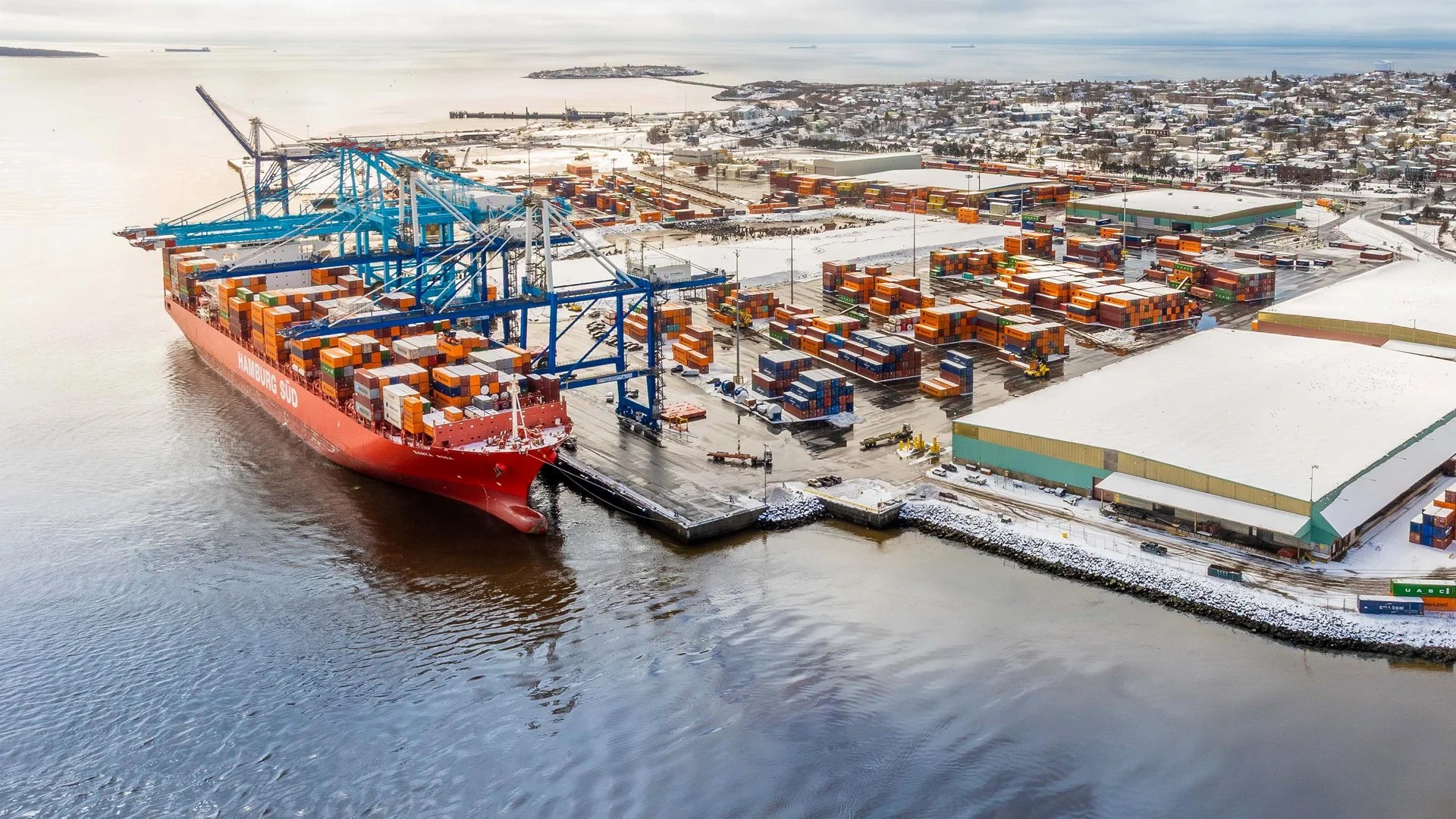
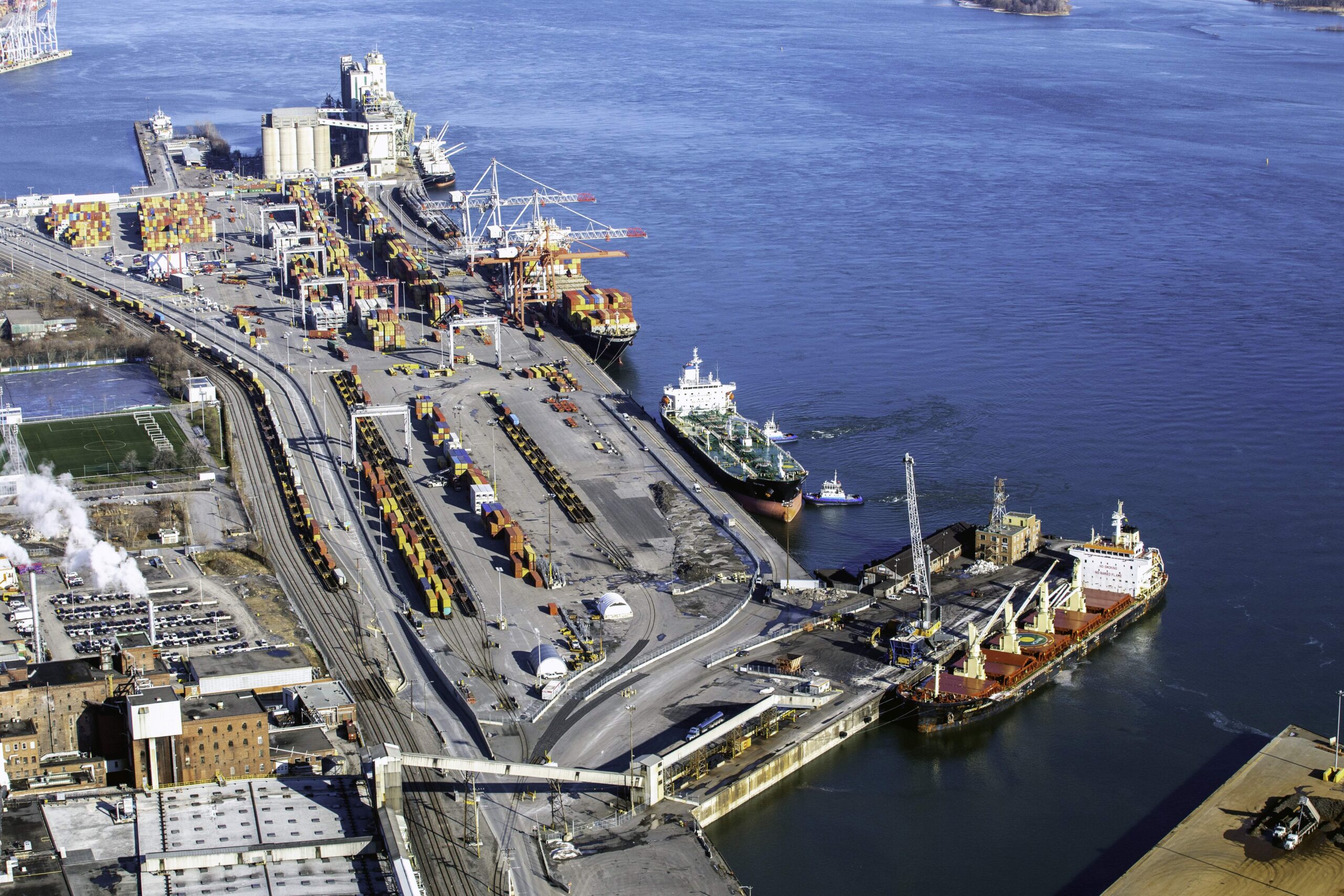
Ports, responsible for about 19 per cent of export movements between 2017 and 2024, also lag global standards. Long wait times and operational inefficiencies persist, with the Association of Canadian Port Authorities projecting an investment gap of up to $21.5 billion by 2040.
Air cargo, crucial for high-value goods, pharmaceuticals and e-commerce, continues to struggle with route disruptions, capacity limits and weak connectivity, particularly for remote regions.
The report concludes that modernizing ports, railways, highways and airports is essential to boosting productivity, strengthening supply chains and ensuring Canada can compete in an increasingly complex global trade environment.
Visit here for the full report.





Leave a Reply