Supply chains brace for tariff uncertainty in 2026
Share

Share

 As we approach the end of a year defined by heightened tariffs, Canadian supply chain professionals are looking ahead to 2026 with a mix of fatigue, realism and cautious strategy.
What began as short-term disruption has settled into something more structural, and companies are adapting quickly. Many have accelerated their shift away from single-country supplier models, widening vendor networks and investing more seriously in nearshoring and reshoring to reduce tariff exposure, regain control of lead times and build more resilience into their sourcing mix.
To delay the impact of tariffs, a growing number of retailers and exporters are stockpiling inventory, relying on bonded warehouses and intentionally staggering import timing. This has increased demand for warehouse space and driven up working capital requirements at a pace few were prepared for.
Higher landed costs, larger-than-usual inventory buffers and rising transportation expenses have left many companies facing tighter cash flows than they’ve seen in years.
One major trend emerging across the country is the push for extended supplier payment terms. Finance teams, traditionally involved only in later stages, now have a bigger seat at the procurement table. Decisions that used to be operational are quickly becoming financial as organizations calculate the cash-flow impact of every sourcing move.
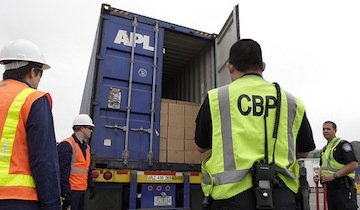
Procurement and customs teams are also investing more time, tools and money into tariff classification, rules-of-origin documentation and duty-mitigation strategies. The urgency is warranted. Even a minor HS code adjustment or a change in regional value content can significantly alter tariff costs on arrival. Companies are painfully aware that misclassification today can mean tens or hundreds of thousands of dollars tomorrow. This has led to more frequent internal audits, closer collaboration with customs brokers and the implementation of digital tools that help classify SKUs more accurately and consistently.
To maintain agility, organizations are rewriting vendor agreements to include shorter terms, break clauses, flexible pricing mechanisms and dual-source options. The goal is to build contracts that allow buyers to pivot quickly when tariff schedules shift or when geopolitical changes redirect trade flows. At the same time, some sellers are routing goods through Canada, taking advantage of bonded storage or exploring alternative ports to exploit differences in tariff timing or treatment.
While these tactics may work in the short term, they are reshaping supply chain flows and adding complexity to carrier hubs, border points and warehouses nationwide.
All of this change is driving the urgent need for more robust digital visibility. Companies are investing in real-time inventory tracking, demand-sensing tools, scenario modeling platforms and TMS/ERP integrations. These tools help determine when to buy, where to hold stock and how much to carry in a world where lead-time variability is increasing, often without warning.
For procurement and inventory managers, the downstream impact is clear: higher carrying costs, more cash tied up in stock and a renewed need to revisit safety-stock formulas. Classic EOQ models are becoming less reliable, and many organizations are shifting toward dynamic, event-driven reorder strategies that adjust when tariffs, lead times or demand signals shift. Tariff risk is no longer a temporary line item; it has become a baked-in component of landed-cost calculations, supplier negotiations and budgeting cycles.
Most of these pressures aren’t new, but there are practical steps companies can take now that can actually make a difference:
■ Recalculate landed cost per SKU by incorporating best- and worst-case tariff outcomes and reflecting these scenarios in supplier scorecards.
■ Segment SKUs by tariff sensitivity, considering value, volume and tariff exposure, and create tailored replenishment rules.
■ Run dual-sourcing or regional sourcing pilots for top category drivers or the top 20 per cent of SKUs.
■ Use bonded warehouses strategically, especially if tariff reversals or deferrals are possible, but model the added storage costs carefully.
■ Strengthen internal customs governance through ongoing HS code audits and updated classification protocols.
■ Stress-test cash flow, define your safety buffer and prepare working-capital or short-term credit contingencies.
■ Invest in tools that allow for shorter planning horizons, real-time visibility and more flexible safety-stock logic.
■ Renegotiate supplier terms to share tariff risk more evenly and acknowledge the volatility both sides are facing.
These solutions do not come without risk. Stockpiling and holding more inventory in-country will continue to strain ports, warehouses and carrier hubs, especially as we move toward peak holiday shipping cycles. Many remember the congestion of past years all too well, and those patterns may reappear as more companies adopt similar strategies. Perhaps the biggest risk, however, remains policy unpredictability. Tariff schedules can change with little notice, and a strategy that works this quarter could become insufficient—or even counterproductive—next.
In an environment where being proactive is essential, the coming months may leave companies with fewer choices than they’d like. Flexibility across stock, capital, contracts and planning will be the defining capability for those aiming to stay ahead of uncertainty.
Leave a Reply