New report highlights yard operations as growing enterprise supply chain risk
Share

Share
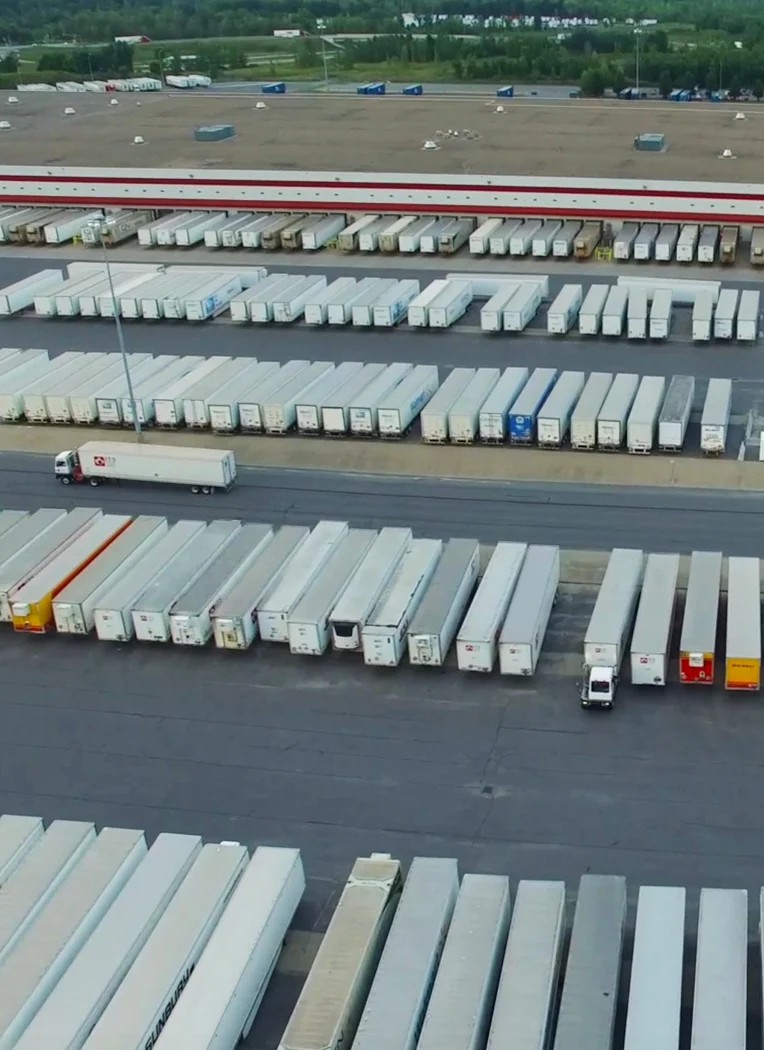
A new report by supply chain analyst and industry thought leader Bart De Muynck argues that yard operations are increasingly influencing enterprise-wide supply chain performance, moving beyond their traditional role as a localized, tactical function.
The report, Market Radar: Yard Logistics – From Tactical Execution to an Enterprise Yard Operating System, finds that yard operations now affect cost variability, service reliability, safety exposure and sustainability outcomes across multi-site supply chain networks.
“Across industries, the same execution issues continue to surface at the yard level,” said De Muynck. “Inconsistent processes, hidden costs, accountability gaps and limited visibility are quietly amplifying variability across transportation and warehouse networks. In today’s operating environment, unmanaged yard operations are no longer an inconvenience. They are an enterprise execution risk.”
According to the report, many organizations continue to manage yard operations independently by site, relying on localized labour decisions, underperforming outsourced providers, fragmented processes or siloed technology that does not scale across the enterprise. Governance models, it says, have failed to keep pace with the growing scale and complexity of modern supply chains.
The report notes that this gap is becoming more significant as supply chains face ongoing volatility, tighter labour markets, higher service expectations and increased pressure to deliver measurable safety and sustainability outcomes.
Among its findings, the report concludes that yard operations now directly influence enterprise-level performance, while execution governance and operating discipline, rather than access to technology, remain the primary barriers to consistent results. It also finds that traditional yard models enable activity but fall short on enterprise-level accountability, and that most yards still lack standardized performance metrics and workflows.
The report says technology alone has not delivered consistent improvements, despite wider use of automation and tracking tools. Instead, it points to the need for standardized workflows, ownership models and cross-site governance.
As a result, the report says leading organizations are shifting toward what it describes as an enterprise yard operating system — an integrated operating model governing how yard operations are planned, executed, measured and improved across facilities.
“At scale, a yard operating system drives operational maturity, not just activity,” said De Muynck. “It enables predictability, accountability and repeatability across the network rather than isolated site-level improvements.”
Visit here for the full report.
Leave a Reply