Study finds West Coast gateways support $1.1 billion in daily trade
Share

Share
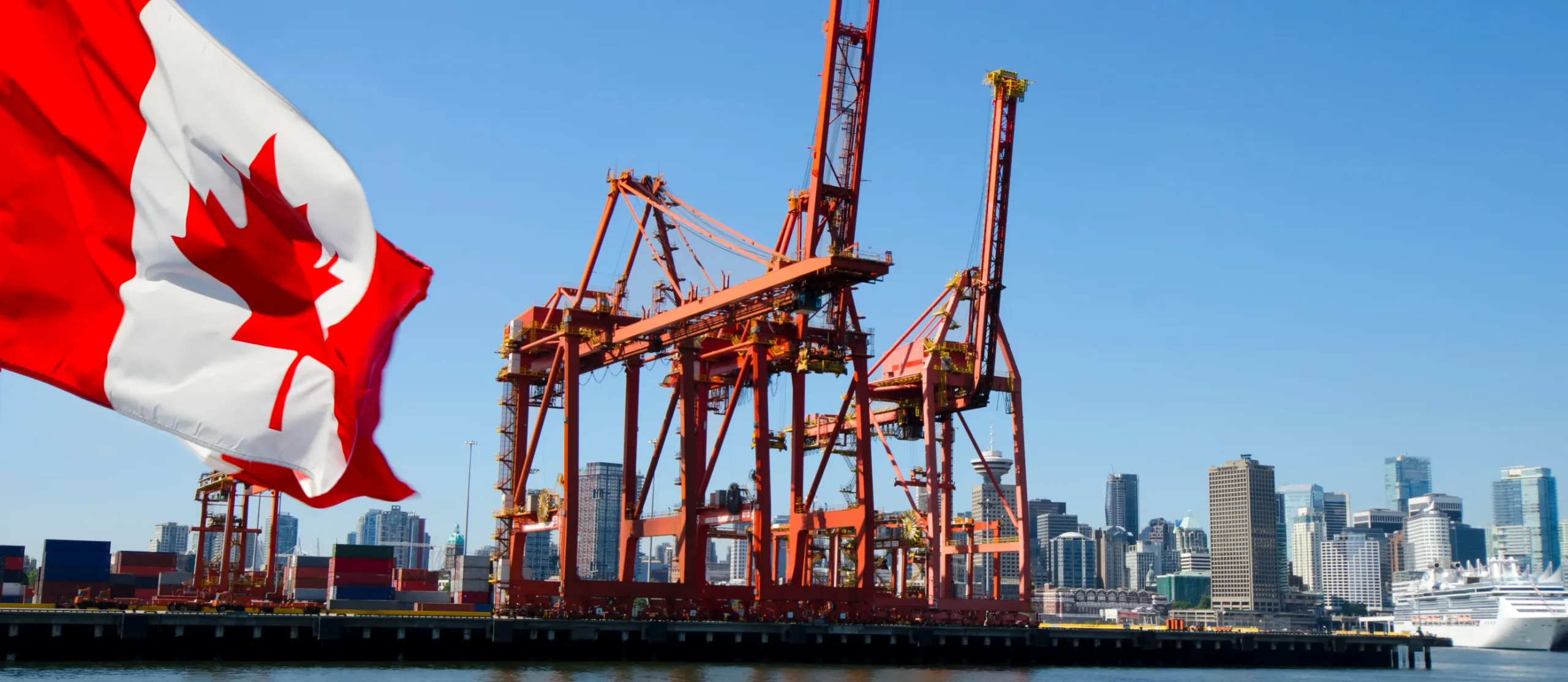
A new study on the economic impact of Canada’s west coast ports says the gateways at Vancouver, Prince Rupert and Nanaimo support more than 150,000 jobs and move $1.1 billion in goods each day. According to the report, the ports handled more than 200 million metric tonnes of cargo in 2025 valued at $409 billion, serving more than 170 overseas markets.
The Economic Impact of West Coast Ports study was prepared by InterVISTAS for the Vancouver Fraser Port Authority, the Prince Rupert Port Authority, the Nanaimo Port Authority, the BC Maritime Employers Association and the BC Marine Terminal Operators Association. According to the report, the ports move a diverse mix of cargo including Canadian energy, forestry products, potash, grain, critical minerals, containerized goods, vehicles, manufacturing parts and consumer products.
BC Maritime Employers Association president and CEO Mike Leonard said West Coast ports function as a strategic part of Canada’s economy, connecting businesses to international markets and sustaining thousands of jobs.
“Through the Pacific Gateway, our members—marine terminal operators, shipping lines and agents—help ensure the safe and efficient movement of goods. As global trade evolves, a stable, reliable waterfront and resilient national supply chains will be essential to unlocking new economic growth, diversifying trade and keeping Canada competitive,” he said.
Nanaimo Port Authority president and CEO Ian Marr said that this study shows ports are not only sites where goods move, but also drivers of economic growth, trade diversification and national resilience.
“As Canada looks to strengthen its trade corridors and expand access to global markets, strategic investments in infrastructure, industrial development and transportation connectivity will be essential. Nanaimo has an important role to play in supporting a stronger, more competitive and more connected Canadian economy,” Marr said.
The Port of Vancouver comprises 29 deep‑water terminals and more than 1,000 tenants across auto, bulk, breakbulk, container and cruise sectors. The Port of Prince Rupert operates 8 terminal and logistics facilities and supports more than 7,900 jobs. The Port of Nanaimo operates 3 deep‑water terminals that handle container, auto, bulk, breakbulk, cruise and logistics services.
In a statement, Vancouver Fraser Port Authority president and CEO Peter Xotta said West Coast ports such as Vancouver are positioned to help Canada double exports to non‑U.S. markets over the next 10 years, supporting broader national economic growth.
“With game-changing projects like Roberts Bank Terminal 2 on the horizon and a new federal Port of Vancouver Gateway Strategy in the works, we are poised to unlock one of our country’s greatest trade opportunities: the Indo-Pacific,” he said.
Prince Rupert Port Authority president and CEO Kurt Slocombe said Canada’s trade goals rely heavily on West Coast ports, and the Port of Prince Rupert is adding capacity and supporting diversification through $3 billion in active projects.
“The Port of Prince Rupert will continue to be a key gateway to support Canada’s goal of doubling non-US exports with logistics hubs like CANXPORT and LinX coming online, the largest natural gas liquids facility on the west coast (the Ridley Island Energy Export Facility) currently under construction, along with additional port infrastructure such as new marine berth and rail capacity,” Slocombe said.





Leave a Reply