
LAREDO, Texas — Kansas City Southern (KCS) president and CEO Patrick Ottensmeyer joined officials representing the US Customs and Border Protection (CBP) and Mexican Customs (SAT) in the dedication of a new, joint Unified Cargo Processing facility at the Laredo, Texas railroad border crossing.
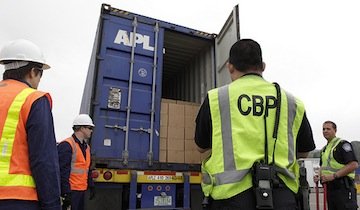
The objective of this new facility is to share Non-Intrusive Inspection (NII) security scanning images; conduct Mexico export processing at the US railhead; streamline the documentation review of northbound trains; and conduct joint inspections, when needed, on inbound shipments.
During the week that US, Mexican and Canadian trade representatives begin opening negotiations to update the North American Free Trade Agreement (NAFTA), US and Mexican customs officials are dedicating this new facility to improving the fluidity and security of this vital, cross-border rail corridor.
“As our governments begin the important work of updating the North American Free Trade Agreement this week, we must all remember the importance of the NAFTA trade relationship to both countries and both economies,” Ottensmeyer said. “This project, and others to follow, are essential to facilitate the goal of expanding trade and particularly increasing exports of goods such as refined petroleum products and petro-chemicals from the US to Mexico.”
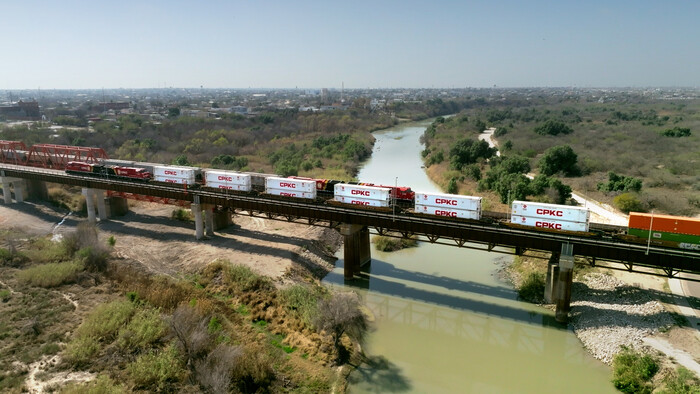
The Laredo/Nuevo Laredo rail crossing is the busiest on the US-Mexico border, processing on average 23 trains in both directions per 24-hour period, and carrying a wide variety of products such as automobiles and parts, steel, grain and petroleum products. It is vital to the economic security of both countries.
CBP, Mexico Customs, KCS and Union Pacific are committed to continually improving this border-crossing for security, safety and efficiency through government and private sector collaboration. Eliminating stopping trains on the bridge would increase velocity and fluidity of train movements over the border, which is important for all stakeholders. Keeping trains moving increases security and throughput, while reducing traffic congestion within the city limits of Laredo and Nuevo Laredo.
“This project is a model for how communities, governmental authorities and private enterprises can work together to create outcomes that benefit everyone and strengthen our relationships with our key trading partners and neighbors,” said Ottensmeyer.
Demand for rail shipments across this busiest international rail gateway in both directions will continue to increase in the future, particularly with growth in US agricultural and future energy exports to Mexico. New and innovative ways to keep this trade moving securely and efficiently over the border will be needed in the future to expand trade between the US and Mexico and make North America even more competitive.




Leave a Reply