Amazon launches end-to-end supply chain service for third-party businesses
Share

Share
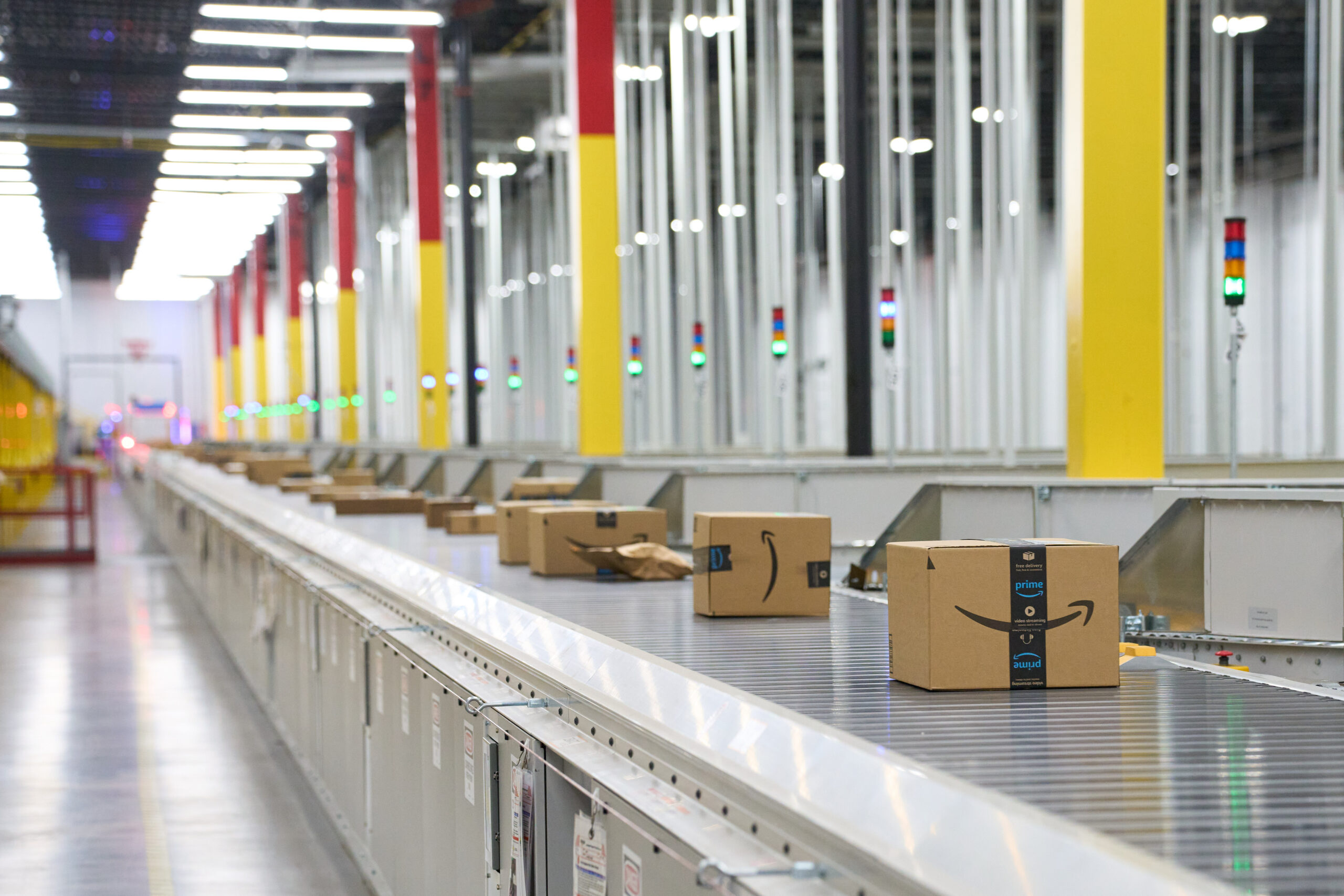
Amazon has launched a new logistics offering that opens its internal supply chain network to businesses of all sizes, expanding beyond its own retail operations and marketplace sellers.
The company made the announcement May 4 during the Gartner Supply Chain Symposium/Xpo, saying that its new Amazon Supply Chain Services (ASCS) platform will provide integrated freight, distribution, fulfillment and parcel shipping solutions to third-party customers across industries including healthcare, automotive, manufacturing and retail.
During an exclusive meeting with Inside Logistics, the company confirmed businesses based in Canada can leverage Amazon’s supply chain service for their U.S. operations. Peter Larsen, vice-president of Amazon Supply Chain Services, also said that Amazon Multichannel Fulfillment (MCF) is available to businesses in Canada. MCF enables independent sellers to fulfill customer orders from their own websites, social media channels and other online stores using Amazon’s global fulfillment network. MCF handles storage, picking, packing and shipping for off-Amazon orders, helping sellers deliver to customers no matter where they shop.
“It’s growing [in Canada] very nicely,” Larsen said of Amazon’s MCF services, “and it’s because a lot of our U.S. customers treat Canada as sort of an extension of the North American market. We have some large customers who say in order to work with us, you need to make these services available in Canada as well.”
Larsen said one of the challenges in offering services in Canada is the vast amount of space from the east to west coasts, and companies like Amazon must know how to distribute their fulfillment centres and balance that against the amount of land in between.
The new ASCS services build on infrastructure originally developed to support Amazon’s global retail and marketplace operations that was established 20 years ago.
Larsen said a few years ago, sellers began asking if they could use those same services not only for their Amazon volume, but also their off-Amazon volume.
“Amazon is bringing the infrastructure, intelligence and scale of its supply chain services—proven over decades—to businesses everywhere, much like Amazon Web Services did for cloud computing,” said Larsen. “Supply chain wasn’t just a function at Amazon—it was core to providing an exceptional shopping experience. [It was] our differentiator…the reason we could offer fast, dependable delivery that nobody else could. And with the launch of ASCS, we’re confident we can give any other business access to the same cost efficiency, reliability and speed that we’ve built for Amazon customers.”
Larsen said there are not hundreds of thousands of sellers using this service to the tune of hundreds of millions of units and growing at 40 per cent each year.
“We saw that there was clearly a problem to be sold out there in the marketplace, so opening it up to non-sellers was just a logical extension of that,” said Larsen. “It just took us a little bit of time to fully externalize our full breadth of services because they were built for Amazon and then for Amazon sellers. There was some work we had to do to make sure the system was ready to process volume.
“We haven’t had to build a lot of new capabilities with these new customers because we already built for a peak that I would argue very few companies build for.”
Procter & Gamble is using Amazon’s freight services to move raw materials and finished goods, while 3M is using the network to ship products globally from manufacturing sites to distribution centres. Lands’ End is using Amazon’s inventory system to fulfill orders across multiple channels, and American Eagle Outfitters is using its parcel network for direct-to-consumer deliveries.
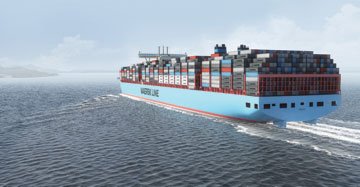
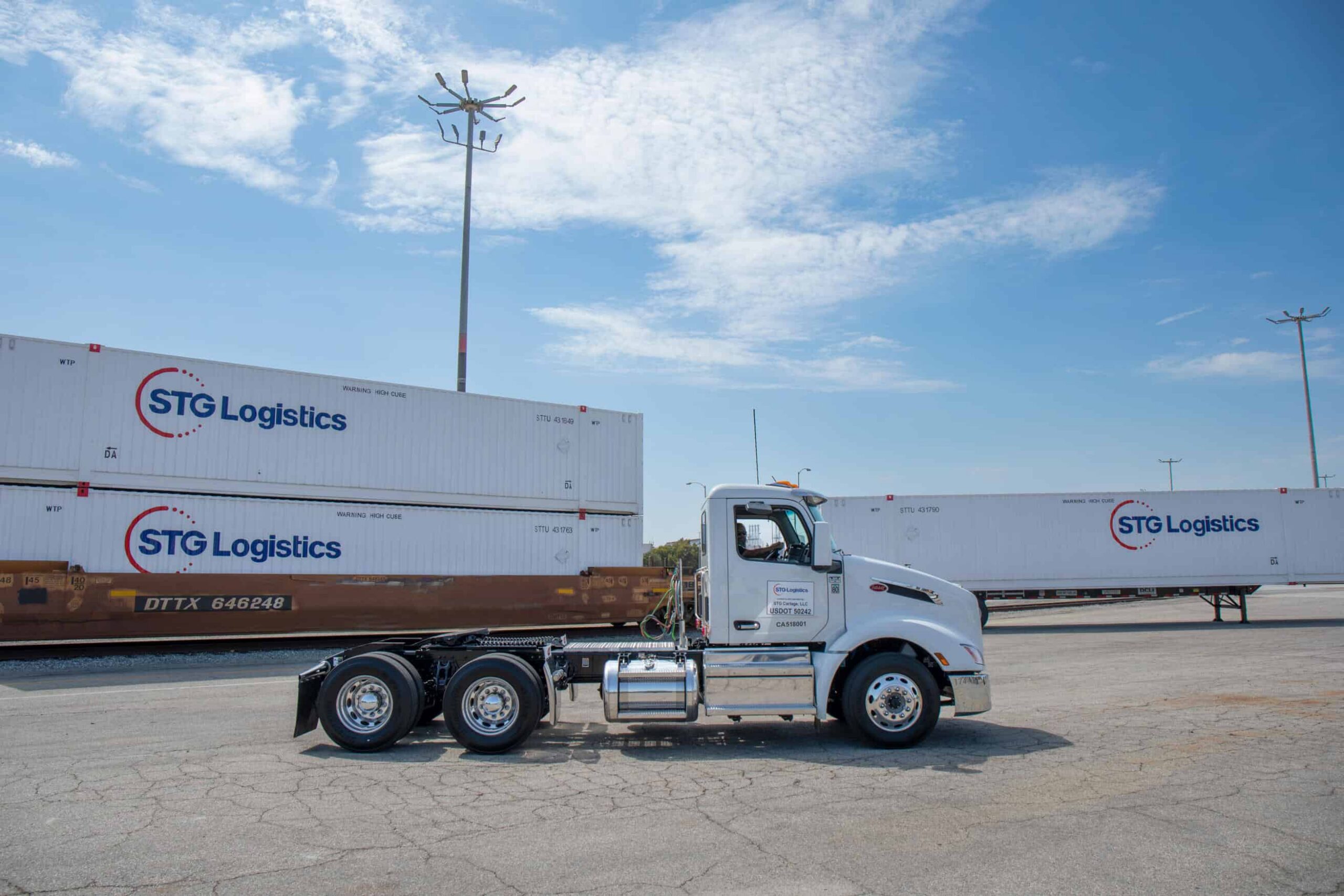
The ASCS platform combines multiple logistics functions into a single system. Its freight offering spans ocean, air, rail and ground transportation, supported by a network that includes more than 80,000 trailers, 24,000 intermodal containers and over 100 aircraft.
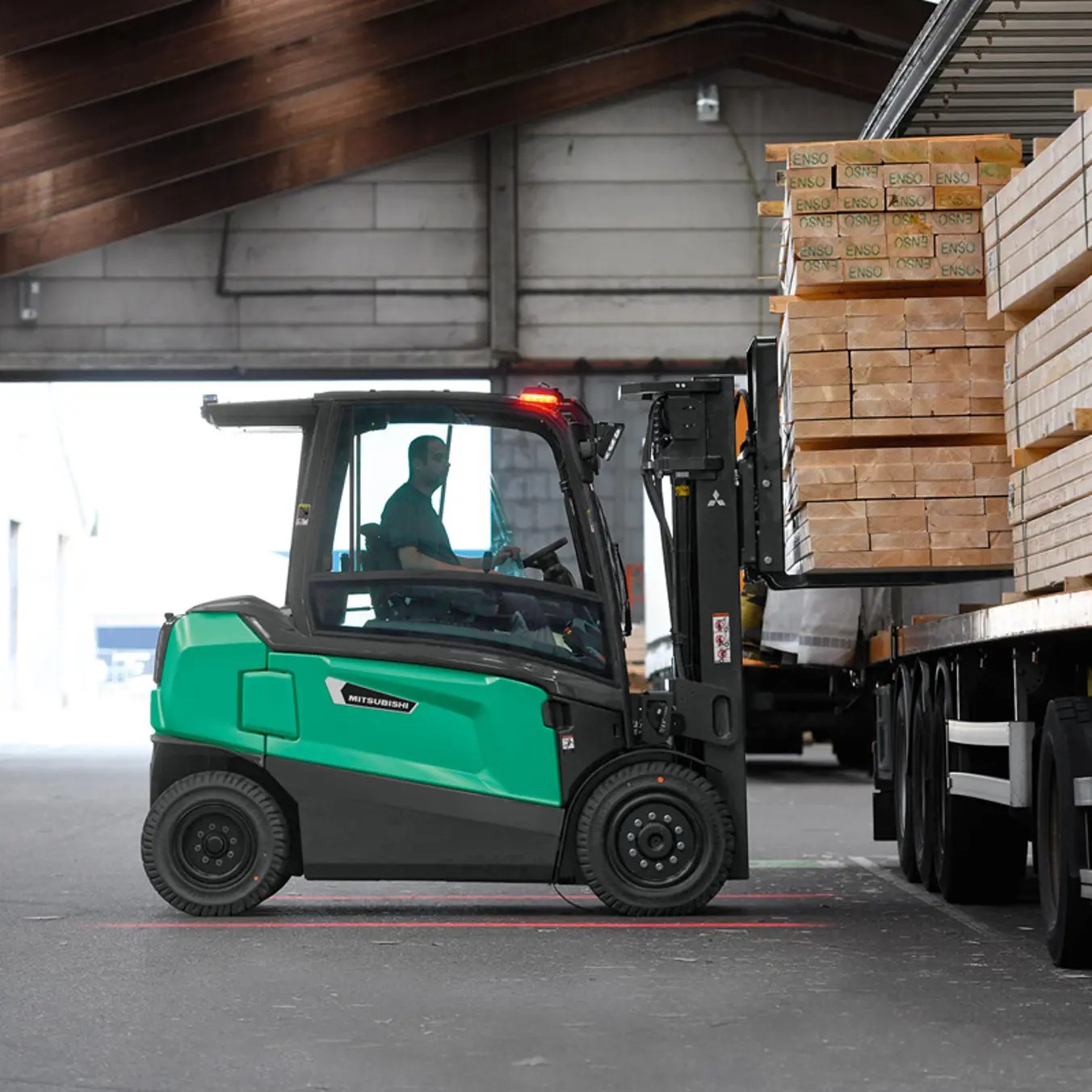
Amazon’s distribution and fulfillment services allow businesses to import, store and position inventory closer to customers while fulfilling orders across online and physical sales channels. The company said its system uses artificial intelligence forecasting tools to improve inventory placement and efficiency.
Parcel shipping was a new capability Amazon had to build with the new ASCS service.
“Up until we launched that, we hadn’t had to do a lot of parcel pickup, so we had a pickup network we had to create,” said Larsen.
The parcel delivery component offers two- to five-day shipping with seven-day-a-week service, along with tracking features such as photo confirmation on delivery.
Amazon said businesses can access the services through a centralized online portal starting May 4.




Leave a Reply