Persistent disruption reshaping supply chains, State of Logistics Report finds
Share

Share
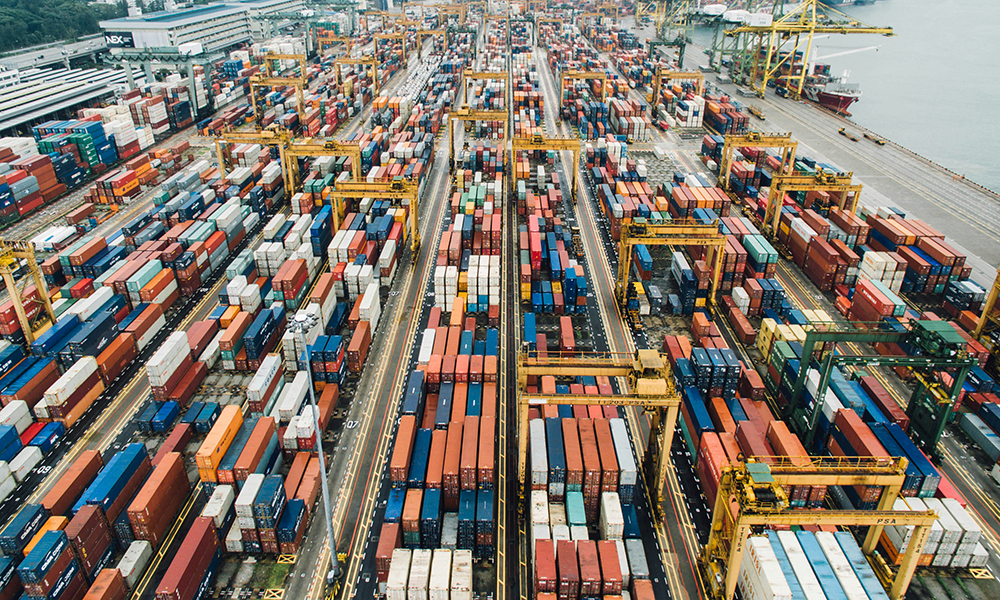
Persistent disruption has become the defining characteristic of global supply chains, requiring shippers and logistics providers to prioritize resilience and adaptability, according to the 2026 State of Logistics Report released by the Council of Supply Chain Management Professionals (CSCMP).
The report, authored by Kearney and presented by Penske Logistics, found U.S. business logistics costs fell to US$2.4 trillion in 2025, representing 7.8 per cent of gross domestic product, down from US$2.6 trillion and 8.7 per cent of GDP the previous year.
Researchers identified five structural forces continuing to reshape supply chains: uneven global economic growth, persistent inflation and rising public debt, shifting global trade flows, labour and productivity constraints and energy price volatility.
The report also found artificial intelligence is moving beyond pilot projects and delivering measurable returns in specific supply chain applications, although adoption remains uneven across shippers and logistics providers. Companies are also increasing investments in automation and AI to address ongoing labour shortages.
“This year’s report arrives at a moment when the forces reshaping global supply chains are no longer temporary disruptions, but enduring features of the operating environment,” said Korhan Acar, Kearney partner and lead author of the report. “Rising costs driven by energy volatility, inflation and geopolitical instability are placing pressure on margins and forcing leaders to rethink traditional operating models. At the same time, we’ve reached a genuine turning point in the autonomous era. AI, robotics and autonomous trucking are moving rapidly from pilots to scaled deployment. Against this backdrop, profitable growth has become the defining priority. The companies that will lead are those combining resilience, intelligent logistics and disciplined execution to protect margins and outperform in an increasingly volatile world.”
The report recommends companies focus on building resilient supply chains, improving asset productivity, expanding end-to-end visibility, accelerating returns on digital and automation investments and reassessing capital investment strategies.
“The report captures the essence of how we are helping our customers meet the realities of rising cost pressures and ongoing supply chain turbulence with the technology and solutions they need to accelerate performance,” said Stacy Schlachter, senior vice-president of sales at Penske Logistics.
“The supply chain of right now is incredibly complex and requires a series of constant adjustments,” said Mark Baxa, CSCMP president and CEO. “This year’s State of Logistics Report, expertly crafted by Kearney and presented by Penske Logistics, paints an accurate picture of the myriad dynamics of managing a logistics network constructed to navigate the current business and geopolitical landscape. Last year’s supply chain looks different than today’s supply chain. I surmise that next year’s logistics network will be hardly recognizable.”

Leave a Reply