U.S. proposes tariffs on Canada and 59 other countries over forced-labour import rules
Share

Share
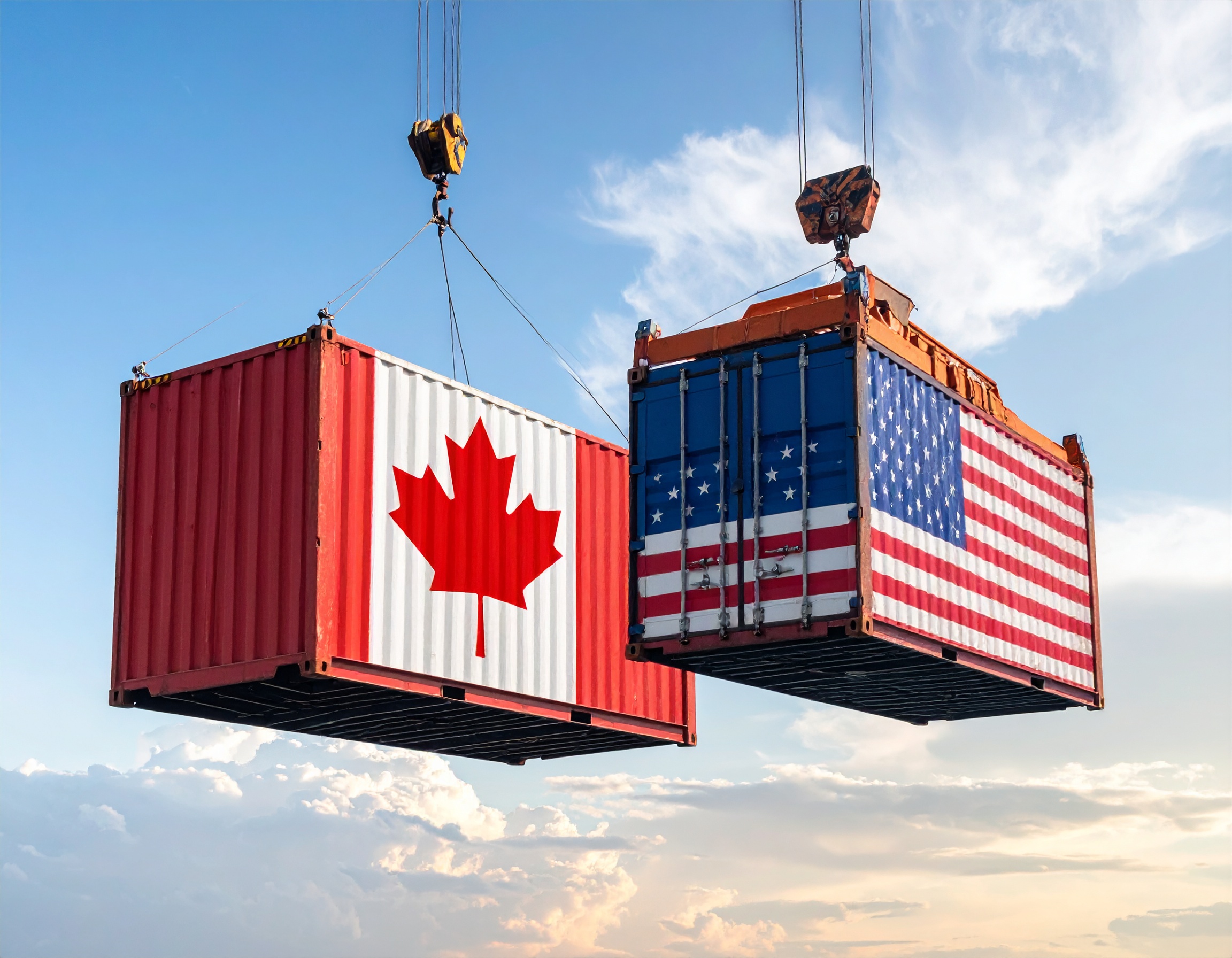
The United States Trade Representative (USTR) has proposed new tariffs on imports from Canada and 59 other countries, arguing they have failed to adequately block goods made with forced labour from entering their markets.
In a notice published June 2, the USTR said it had completed investigations into 60 economies and concluded that all had either failed to adopt or effectively enforce bans on imports produced with forced labour. The agency said those shortcomings unfairly burden U.S. commerce and are therefore subject to action under Section 301 of the U.S. Trade Act.
Canada was among six jurisdictions — along with Ecuador, the European Union, Indonesia, Mexico and Pakistan — that the USTR found have forced-labour import prohibitions in place but are not enforcing them effectively.
In practical terms, the proposal would add a 10 per cent tariff on most imports from Canada entering the United States. Countries that already have forced-labour import bans, have made commitments to adopt them, or have partial systems in place would face the lower 10 per cent rate, while most other economies would be hit with a proposed 12.5 per cent tariff.
The proposal is not yet final. The USTR is seeking public comments until July 6 and plans to hold hearings beginning July 7 before deciding whether to implement the measures.
According to the notice, the U.S. believes countries that do not prevent imports made with forced labour allow producers using such labour to gain an unfair cost advantage. The agency argues this harms American companies and workers by creating competition based on lower labour costs rather than productivity or innovation.
The proposed tariffs would apply broadly to products from the targeted economies, although numerous exemptions are being considered. Those exemptions include goods already covered by separate U.S. Section 232 tariffs, certain critical raw materials, products that could cause major supply disruptions if taxed, informational materials such as books, donations and travellers’ personal baggage. USMCA-compliant goods from Canada and Mexico would also be exempt.
The USTR said it launched the investigations in March and received more than 450 submissions from governments, businesses and other stakeholders before reaching its preliminary conclusions.

Leave a Reply