TRAFFIX says freight market enters new cycle of rising rates, tighter capacity
Share

Share
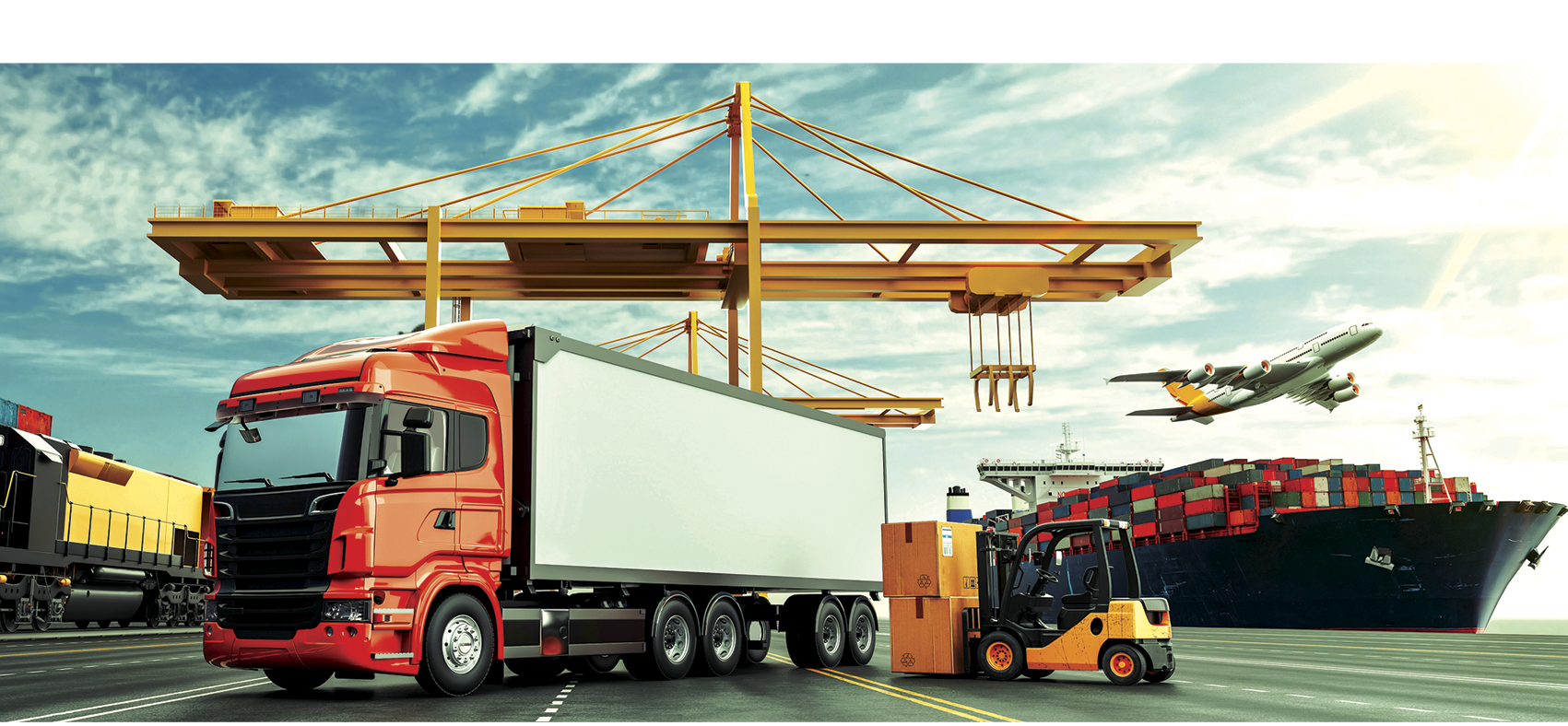
TRAFFIX says the North American freight market has entered a new cycle marked by rising rates, tightening capacity and sharply higher diesel costs, ending more than three years of historically low and stable freight pricing.
The third-party logistics provider said in its TRAFFIX Trends Q2 2026 Market Update that outbound tender volume rose nearly 10 per cent year-over-year, reaching a seasonally adjusted multi-year high, as U.S. manufacturing returned to expansion territory and contributed to increased freight demand.
“The freight market has crossed a threshold, and the data is no longer ambiguous. For three years, shippers operated in a forgiving environment where capacity was available and rates were stable. That window has closed,” said Alex Fuller, senior director of revenue management and solutions at TRAFFIX. “Shippers who see current conditions as temporary will be unprepared. Our Q2 outlook provides logistics and supply chain leaders the clarity to act decisively: lock in capacity, reset budgets and reduce spot market exposure before conditions worsen.”
TRAFFIX outlined three scenarios for freight cost inflation compared with 2025, ranging from seven to 20 per cent higher costs depending on demand levels and capacity conditions.
Under a base-case scenario where volumes stabilize and capacity tightens gradually, the company said shippers should expect freight costs to rise 10 to 15 per cent. In a higher-risk scenario driven by stronger manufacturing demand and tighter market conditions, costs could increase 15 to 20 per cent. Even in a softer demand scenario, TRAFFIX said costs are expected to remain seven to 12 per cent above 2025 levels.
The report also projects dry-van and flatbed rates will remain elevated through mid-2026, reefer capacity will tighten ahead of produce season and intermodal volumes will grow about 10 per cent year-over-year.
TRAFFIX said cross-border lanes between the U.S. and Mexico, including the Laredo-Bajío corridor, are also facing sustained volume growth and localized capacity constraints.
The company advised shippers to treat current freight rates as a new pricing floor and recommended budgeting for double-digit freight inflation, locking in contracted capacity through bid cycles and reducing exposure to spot markets.


Leave a Reply