Ottawa proposes tougher rules to block imports made with forced labour
Share

Share
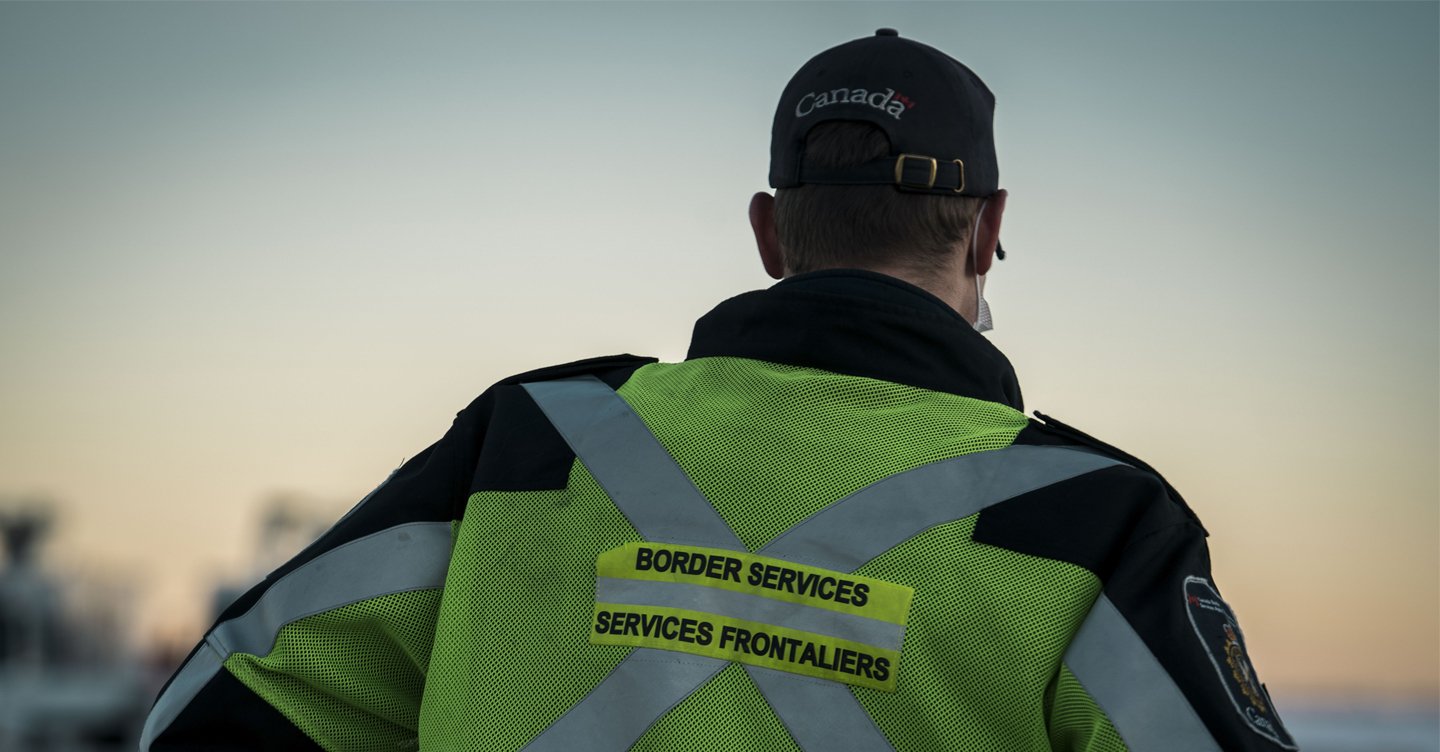
The federal government has introduced legislation aimed at strengthening Canada’s ban on imports produced with forced labour by creating new reporting requirements for importers and expanding enforcement powers.
The proposed legislation, titled An Act respecting the prohibition of the importation of goods produced by forced labour, would replace the current forced-labour import ban contained in the Customs Tariff with a standalone legislative framework.
Canada introduced its existing forced-labour import prohibition in 2020 to meet obligations under the Canada-United States-Mexico Agreement (CUSMA). The ban is enforced by the Canada Border Services Agency using a risk-based approach to identify shipments that may have been produced using forced labour.
Under the proposed law, the federal government would gain authority to establish a list of high-risk goods linked to specific regions, entities or individuals where there are reasonable grounds to suspect forced labour is involved.
Importers of certain high-risk goods would be required to provide enhanced supply chain tracing information to customs authorities. Goods identified as high-risk could be automatically prohibited from entering Canada if importers fail to provide the required information.
The legislation would also improve information-sharing among federal departments and agencies involved in enforcement and introduce a cost-recovery model for importers found to have brought goods made with forced labour into Canada.
The government said the changes would provide businesses with greater clarity about products and supply chains that may present elevated risks while encouraging stronger due diligence practices.
Officials say the legislation would help prevent products made with forced labour from undercutting Canadian businesses and workers, while giving consumers greater confidence that goods sold in Canada come from transparent and accountable supply chains.
Canada, the U.S. and Mexico are currently the only countries with forced-labour import prohibitions in force. The European Union’s ban is expected to take effect by late 2027.
The proposed legislation complements the Fighting Against Forced Labour and Child Labour in Supply Chains Act, which came into force in 2024 and requires certain businesses and federal institutions to report annually on measures taken to address forced and child labour risks in their supply chains.


Leave a Reply