Safety First: Food & Beverage – Understand your risks
Share

Share

While more and more food and beverage distribution centres are increasing their focus on safety, they are not without hazards. Workers can be seriously injured or even die as a result of uncontrolled hazards, virtually all preventable. As the industry grows, you need to understand the risks that could be present in your facility and what you can do to protect your staff.
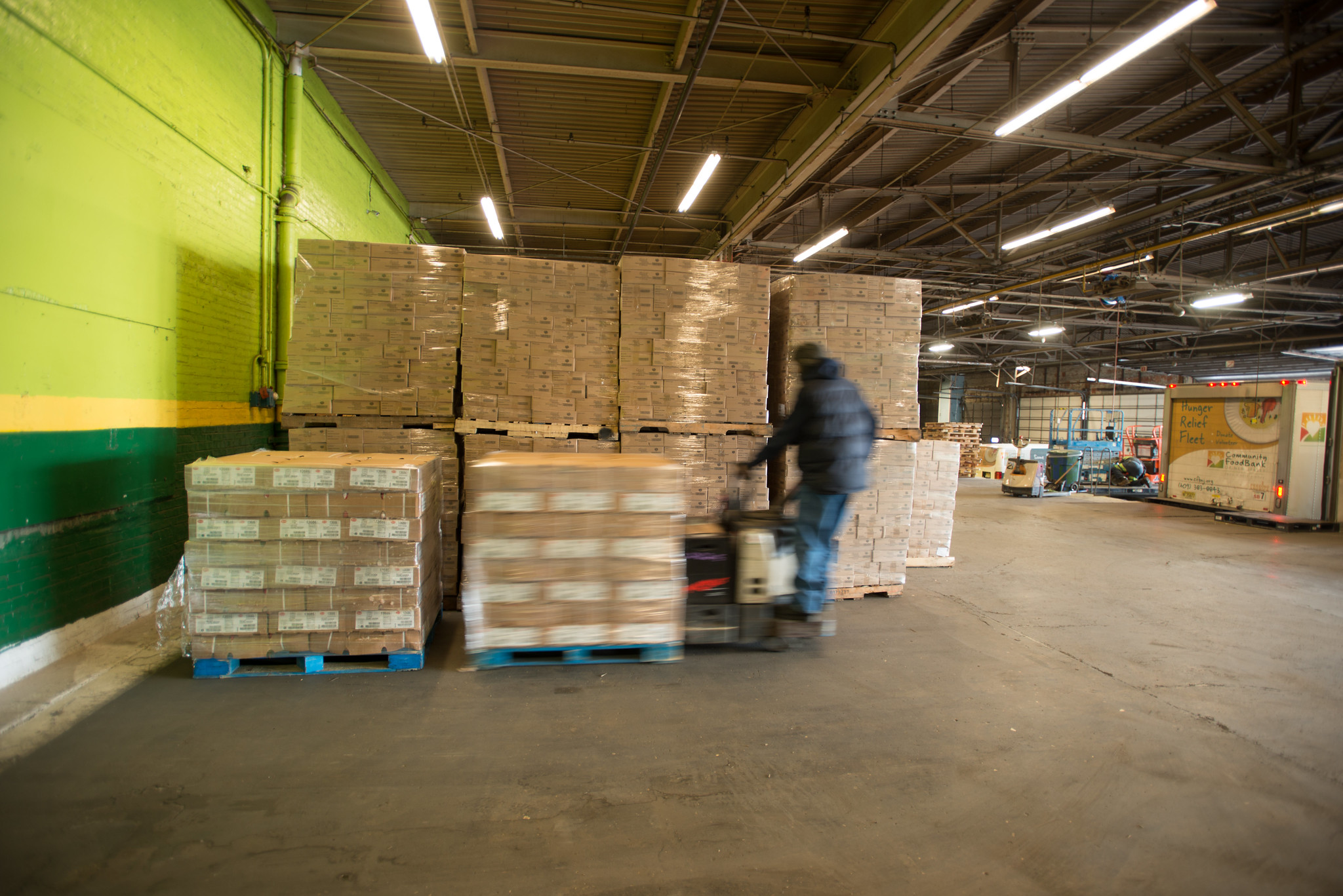
Loading and unloading areas can expose workers to a range of high-risk hazards at indoor and outdoor shipping and receiving areas, including loading docks. A review of events in food and beverage distribution centres over the past 10 years shows workers continue to suffer serious injuries and fatalities as a result of these hazards.
These injuries have resulted from workers being:
Workers in shipping and receiving areas can also be exposed to hazards involving external trucking firms contracted to deliver and carry loads. Distribution centre staff and truck drivers can be at risk if they are not familiar with the workplace, or are complacent around the equipment.
For example, there may be: Different measures and procedures for securing vehicles against accidental movement; different levels of access to each workplace; unique features involving the yard layout; specialized dock-levelling and dock-locking systems; and, lifting equipment which staff or contractors may not be trained to use.
Slips, trips and falls continue to be an issue in most work environments. In Canada over 42,000 workers are injured annually in falls. This number represents about 17 percent of the “time-loss injuries” that were accepted by workers’ compensation boards or commissions across Canada (based on statistics from the Association of Workers’ Compensation Boards of Canada, 2011).
Let’s identify some situations in a food and beverage distribution centre environment where these could occur: Slippery surfaces, perhaps caused by oil or grease; seasonal trip hazards like snow and ice; improper ladder use; changes in walkway levels and slopes; unsecured mats; debris and items stored in pedestrian walkways; and, falls from working at heights.
Material handling, which involves repetitive lifting and moving of heavy or bulky items can cause back injuries and muscular strains. Not surprisingly, these types of injuries account for almost 40 percent of Ontario’s WSIB claims and are caused by factors including:
But that’s not all. Food and beverage distribution centres can have many additional unique and changing business activities that could pose hazards to people onsite. Things like:
Storage and racking systems used to support heavy loads are also potentially hazardous. These structures could collapse and severely injure or kill a worker if improperly installed or damaged. A critical support for any business to reduce the risk of racking collapse and product falls is the newly released CSA 344-17, User Guide to Steel Storage Racks.
Hazards associated with racking include:
Appropriate training is the key to ensuring workers know what hazards they face and what they are expected to do to remain safe. Supervisors or others involved in training need to be familiar with the unique health and safety concerns faced in the food and beverage distribution industry and all employees should be encouraged to communicate any safety questions or concerns they may have.
By understanding food and beverage distribution centre hazards and confirming awareness, work practices become safer and your organization’s productivity will surely benefit.