Shine a light on safety: A look at your workplace lighting
Share

Share

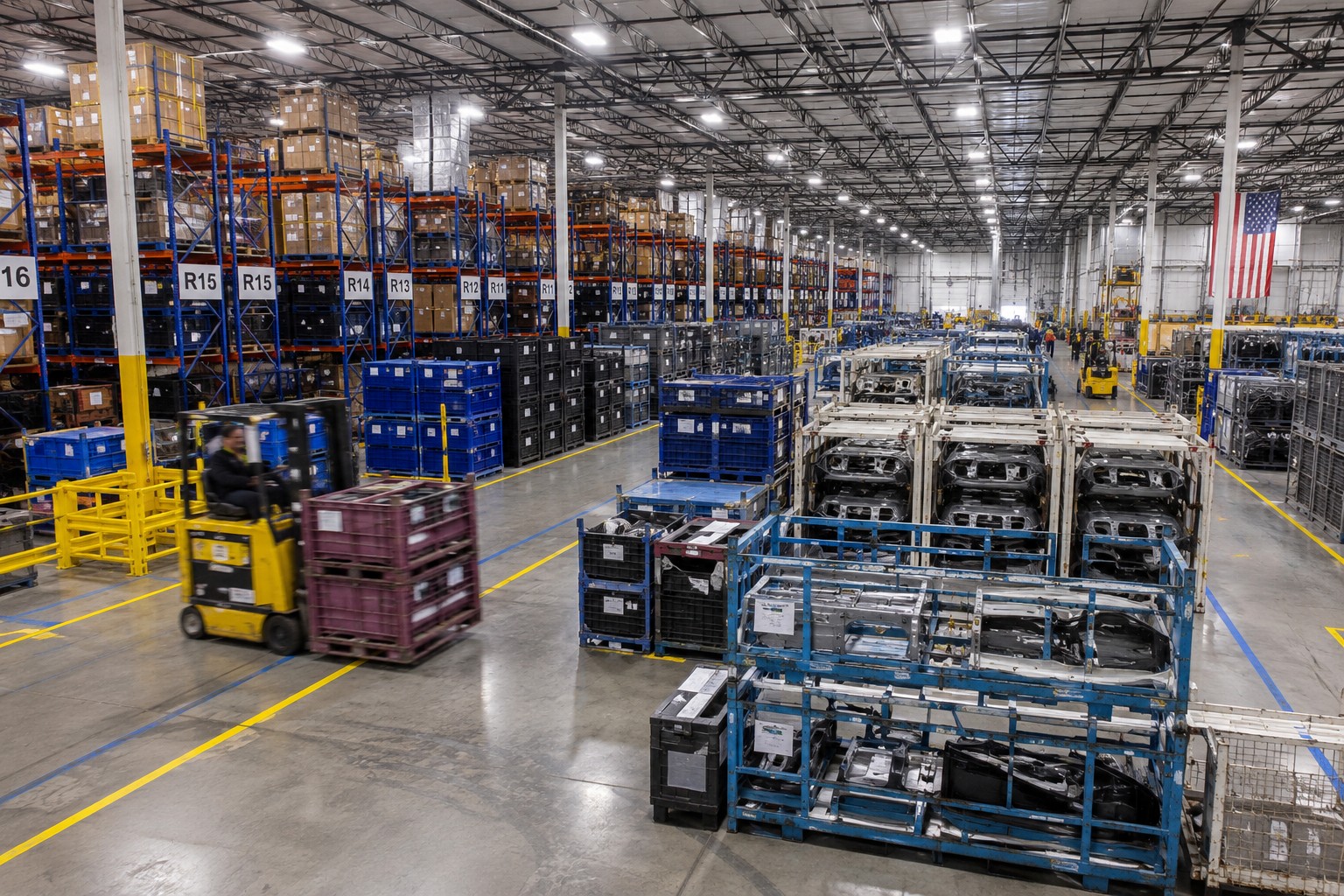
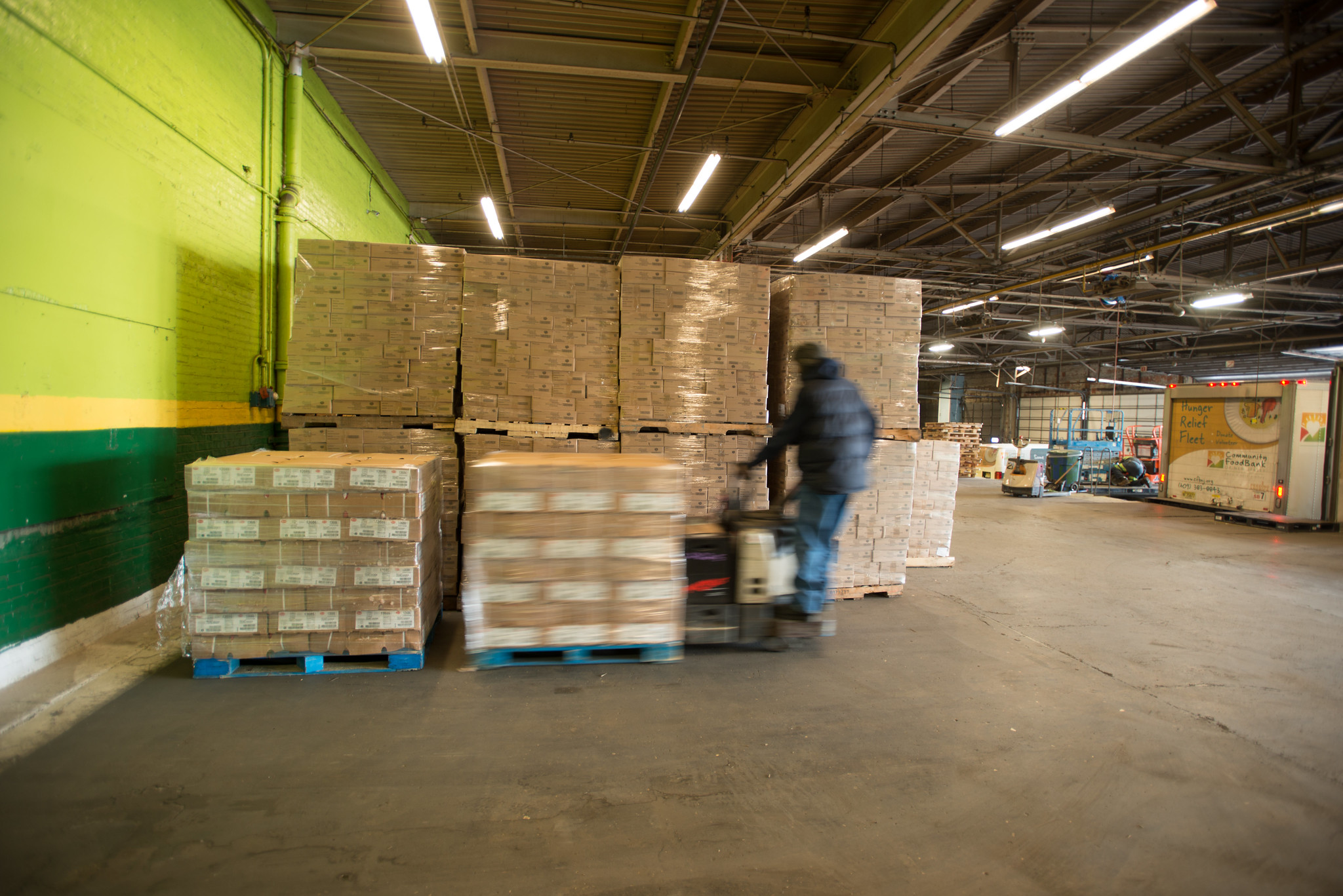
 Poor lighting conditions in warehouses and distribution centres can compromise safety, affect workers’ physical and mental health and diminish quality and productivity. These are compelling reasons for companies to pay closer attention to lighting in their workplaces.
How inadequate light affects health and safety
Slips, trips and falls. Poor lighting impairs visibility, making it difficult for workers to spot hazards on the floor, such as spills, uneven surfaces and obstacles. This increases the risk of slip, trip and fall injuries. Stairways can be especially hazardous because low light creates shadows that make it harder to detect changes in elevation.
Struck-by incidents. The likelihood of forklift–pedestrian incidents increases in low-light conditions. Forklift drivers already have a limited line of sight due to the equipment’s components. When poor lighting further reduces visibility, the operator’s ability to detect objects or pedestrians is compromised.
Musculoskeletal disorders (MSDs). When workers can’t see their tasks clearly, they may hunch over, twist or strain to get closer to a light source. Picture someone trying to decipher labels at a dim order-picking station or on a low-level rack in a dark aisle. Workers often adopt awkward postures to compensate for poor visibility, which can lead to neck, back and shoulder pain, contributing to chronic MSDs.
Other health issues. In low light, the eyes work harder to see and focus, which can result in eye strain, headaches, eye fatigue and general fatigue.

Causes of inadequate lighting
The right solution depends on the root cause of the problem. Here are three common contributors:
1. Insufficient light or illumination.
Illuminance refers to how much light falls on a surface, measured in lux (lx). The required amount depends on the task. Activities involving detailed focus, such as paperwork, demand higher illumination.
For example, bulk storage areas and general aisles typically require 100–150 lx for safe navigation. Picking and sorting zones need 200–300 lx for accurate labelling and handling. Loading docks and shipping areas also require 200–300 lx to support safe material handling and equipment operation. Areas where paperwork or computer tasks occur should be lit to 300–500 lx.
2. Wrong type or number of fixtures and bulbs.
Even if brightness appears adequate, overall light levels may be too low if fixtures are inappropriate or too few. For example, a circular pot light primarily casts light downward, while a long rectangular fixture distributes light more widely and evenly.
3. Improper workplace design.
Fixture placement in relation to work tasks matters. If a storage rack sits directly beneath a light, the product can block illumination. This reduces visibility for safe material handling and makes reading labels more difficult.
How to determine if you have a lighting problem
1. Do a walkthrough to identify lighting risks.
Use WSPS’ new Lighting Risk Identification Checklist to spot hazards related to the workplace, equipment and workers. Are there dark areas or harsh shadows? Do workers performing detailed tasks have adjustable task lighting?
2. Look for glare and flicker.
Glare occurs when excessive light is in a worker’s line of sight or reflected from a surface, impairing visibility. For instance, if a bright light is positioned near a safety dome mirror used by forklift drivers at intersections, it may blind the operator.
Flicker occurs when lights change brightness rapidly, creating a flashing effect. This can cause eye strain, headaches, difficulty concentrating and fatigue. In some cases, flicker can create a stroboscopic effect, making moving equipment appear slow or stationary — a significant safety risk.
3. Review incidents.
Examine the root causes of slips, trips, falls, struck-by injuries and MSDs. Determine whether inadequate lighting may be contributing.
4. Review worker feedback and errors.
Are workers reporting eye strain or headaches? Complaining that they can’t see what they’re doing? If picking errors are increasing, poor visibility may be a factor.
5. Implement lighting solutions in phases and assess results.
Consider making improvements in sections to evaluate the impact before a full rollout. Seek input from your in-house engineer, joint health and safety committee, or lighting contractor. Ensure everyone understands the recommended lighting levels set out in ANSI/IES RP-7: Recommended Practice for Lighting Industrial Workplaces.
6. Develop an ongoing lighting program.
Add the checklist to monthly joint health and safety inspections, and make sure preventive maintenance teams regularly check bulbs and fixtures. Increase awareness about lighting issues among supervisors, managers and workers.




Leave a Reply