Prioritizing worker safety delivers measurable returns
Share

Share

 As technology continues to evolve and AI advancements transform how we work, many warehouse and distribution centres are contemplating how best to harness their benefits. Investments in innovative tools and machinery that improve production and grow the business seem like an obvious win. However, investment in health and safety may be an even bigger one.
I often still see companies treating health and safety compliance as overhead. In modern warehousing, safety is not only about protecting workers. It is a strategic investment that drives efficiency, profitability and long-term competitiveness.
A workplace injury or fatality can devastate any company. It can have a significant impact on productivity and the ability to meet contractual obligations. When coping with a heartbreaking tragedy, a business still must find a way to move forward.
What is the cost of an injury?
In 2022, a worker suffered a critical injury when the forklift they were operating collided with a storage rack. The company pleaded guilty to failing to provide proper information, instruction and supervision to protect the worker’s health and safety. More recently, another Ontario worker died after being trapped under a forklift.
When tragedies like these occur, fines and legal fees are just the beginning of the financial pressure a company could experience. According to a report from the Association of Workers’ Compensation Boards of Canada, the average cost of a lost-time injury claim was $47,238 in 2019. Indirect costs, such as lost productivity and recruiting and training new employees, were estimated to be at least twice the amount of direct costs.
Work is delayed while an investigation takes place. A new employee may need to be recruited and trained. The company’s reputation can be negatively impacted, and employee morale often hits a low point. It can be very difficult for a business to recover from something like this.
Even non-life-threatening injuries, such as musculoskeletal disorders (MSDs), demonstrate why it pays to prioritize worker health and safety. MSDs are among the most common lost-time injuries. A modest investment in training, ergonomic equipment and better lighting can make a significant difference. A larger investment in automation, such as conveyors and automated storage systems, can reduce physical strain and human error—two major drivers of incidents in warehouses.
What’s your health and safety investment?
The Institute for Work and Health, an Ontario-based organization specializing in occupational health and safety research, studied the return on investment (ROI) for Ontario businesses when they invest in health and safety. They took the average health and safety expenditures across 17 sectors and measured them against the financial benefits gained. Their findings showed a return ranging from 24 to 114 per cent, depending on the sector. A 24 per cent return would be considered a success for any investment. An investment in health and safety is an investment in business continuity, which yields considerable returns.
The expenditures used in the study included health and safety training, supervision, personal protective equipment, professional occupational health and safety services, and capital investments related to improving health and safety. The average amount invested per employee across the 17 sectors was $1,303.
When determining ROI, researchers included the tangible and intangible costs described earlier. So, for approximately $1,303 per employee, a company could save upwards of $50,000 by preventing an injury. When factoring in more intangible gains, such as employee retention, morale and job satisfaction, along with stable, quality production, an investment in health and safety adds even more to the financial return.
Invest in your people and reap the rewards
High turnover usually results in high expenditures. Investing in your people by providing quality training, personal protective equipment and healthy working conditions leads to greater job satisfaction. It also helps attract and retain employees.
Healthy, competent workers contribute to stable, predictable operations, which is good for business. Creating a psychologically safe workplace free of mental harm is just as important as controlling physical safety hazards. It demonstrates how much your employees are valued.
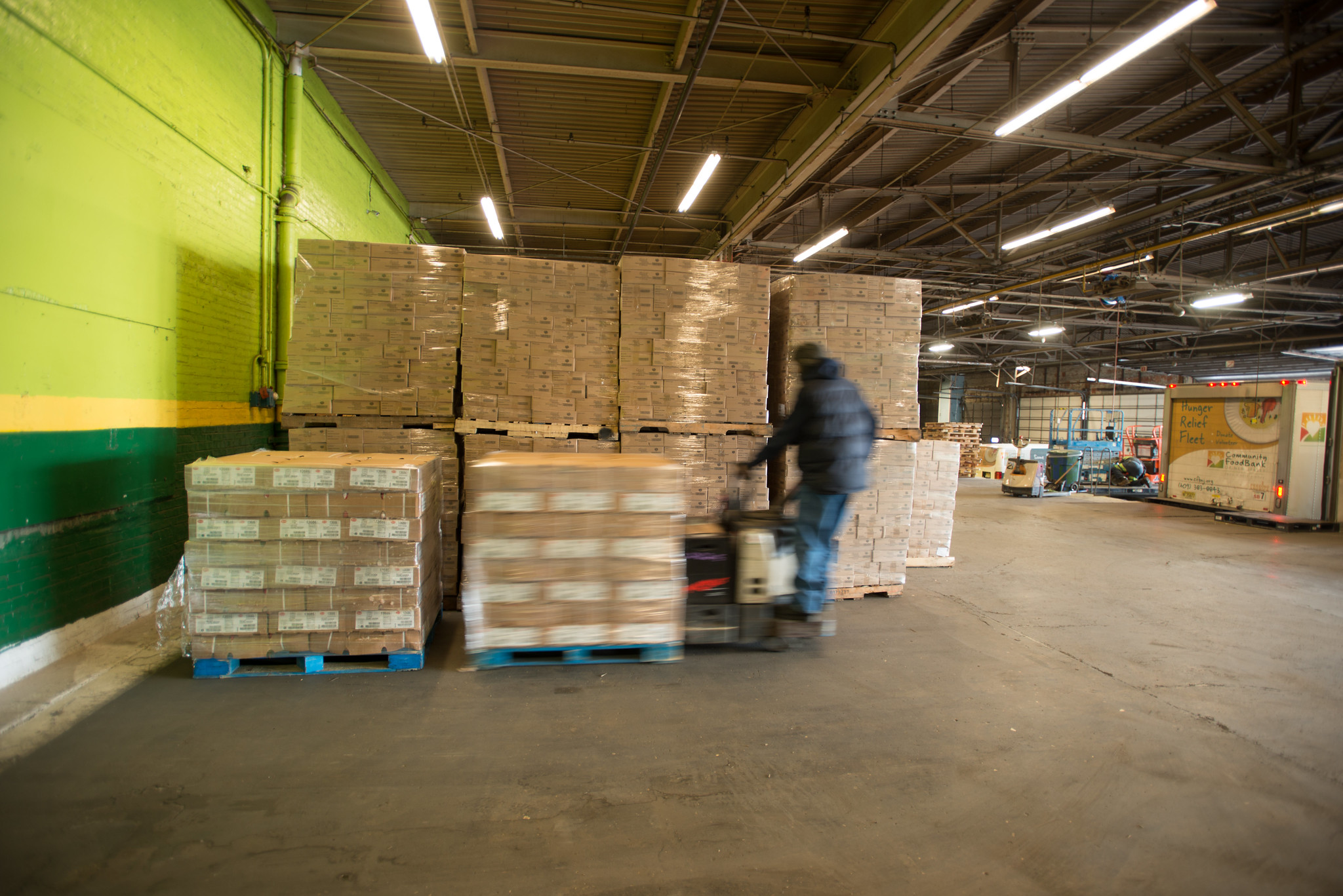
Start with a detailed health and safety orientation for your workers, even if they are temporary. Review safe work procedures that address specific tasks and provide proper training on those procedures. Any worker who operates mobile equipment, such as a forklift or pallet truck, must receive training on the specific equipment they will use.
The Orientation Handbook Generator is a useful tool from WSPS to help create the documentation needed for training. Simply enter information about your work, employees and the hazards they may encounter, and within 15 minutes you will have a detailed health and safety orientation handbook.
As technological advancements lead to safer ways of working, invest in that infrastructure for your employees. If you are looking for a guaranteed ROI, invest in health and safety.




Leave a Reply