Rail sector cuts emissions intensity as traffic grows, report says
Share

Share
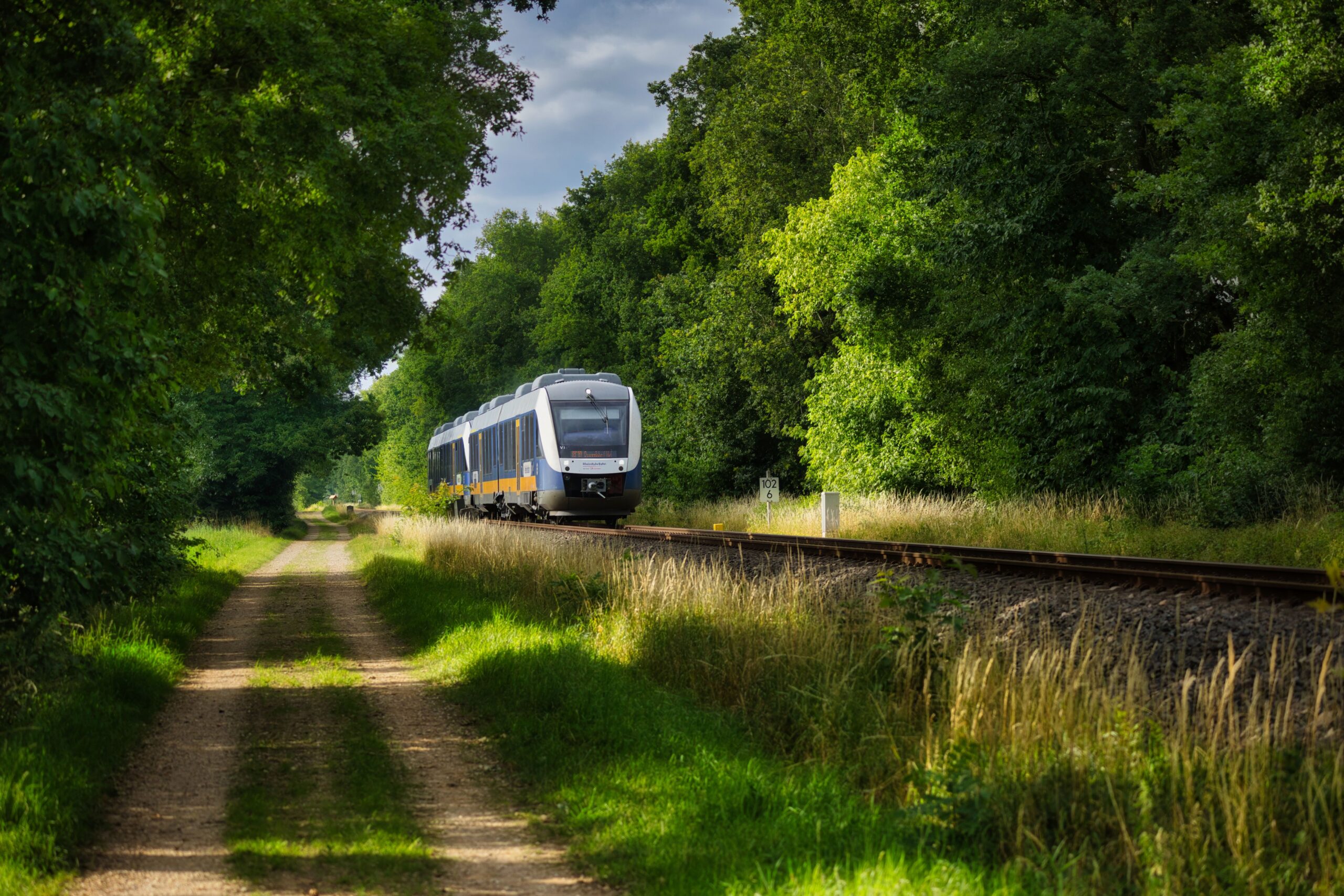
Canada’s rail sector improved its environmental performance in 2024, with freight railways moving more goods while reducing greenhouse gas emissions intensity, according to the 2024 Locomotive Emissions Monitoring report released by Transport Canada and the Railway Association of Canada.
The report found railways continued to modernize their fleets, with Tier 4 locomotives accounting for 10.5 per cent of the active fleet in 2024, up from 9.8 per cent a year earlier. It also marked the first year emissions reductions from biofuels were measured using actual locomotive fuel consumption data rather than estimates. Biofuel use rose 56 per cent in 2024 and represented more than 8 per cent of total rail sector fuel consumption.
According to the report, Class 1 freight railways moved 30.7 per cent more traffic since 2005 while reducing absolute greenhouse gas emissions by 10.7 per cent, resulting in a 32.1 per cent reduction in emissions intensity.
“The story behind these results is one of long-term investment and innovation,” said Eric Harvey, president and CEO of the Railway Association of Canada.
“Canada’s railways continue to modernize their fleets, adopt cleaner technologies, and improve efficiency because those investments make our transportation network stronger, our economy more competitive, and our environmental performance better. Those outcomes go hand in hand.”
The report also found regional and shortline railways improved greenhouse gas emissions intensity by 25.4 per cent since 2005, while intercity passenger railways improved emissions intensity by 33.9 per cent. Emissions of several air pollutants, including nitrogen oxides, particulate matter and hydrocarbons, also declined over the period.
The report is the second issued under a 2023-2030 memorandum of understanding between Transport Canada and the Railway Association of Canada aimed at advancing low-carbon rail transportation and supporting net-zero greenhouse gas emissions by 2050.





Leave a Reply