Global cold chain logistics market expected to reach US$515.8 billion by 2031: report
Share

Share
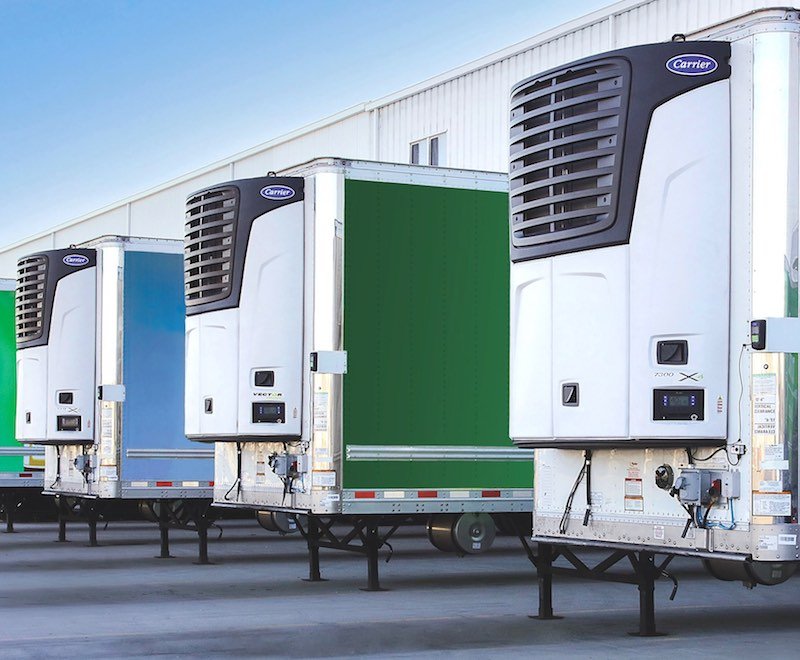
The global cold chain logistics market is expected to grow from US$383.5 billion in 2026 to US$515.8 billion by 2031, representing a compound annual growth rate of 6.12 per cent, according to a new report from Mordor Intelligence.
The report says growth is being driven by increasing demand for temperature-controlled transportation and storage in the pharmaceutical, health care and food sectors. Expanding distribution of vaccines, biologics and other temperature-sensitive medical products, along with continued growth in online grocery shopping and demand for frozen foods, are contributing to market expansion.
North America remains the largest regional market, supported by investments in automation, cold storage capacity and Internet of Things-enabled monitoring technologies. Asia-Pacific is expected to see the fastest growth, driven by expanding health-care infrastructure, urbanization and demand for refrigerated and frozen products.
The report also identifies growing demand for localized cold chain networks to support quick-commerce and online grocery delivery, prompting retailers to partner with third-party logistics providers to improve delivery efficiency and maintain temperature compliance.
Increasing regulatory requirements are also driving adoption of real-time monitoring technologies that track temperature, location and environmental conditions throughout the supply chain, improving traceability and reducing product losses.
“Ongoing shifts in cold chain logistics reflect broader supply chain modernization and rising emphasis on temperature-controlled handling across sectors. Mordor Intelligence delivers structured, transparent analysis that enables decision-makers to compare market perspectives with confidence against alternative research sources,” said Jayveer V, senior research manager at Mordor Intelligence.
Regionally, Europe continues to invest in energy-efficient refrigeration technologies and modernized cold storage infrastructure, while the Middle East and Africa are seeing increased investment in solar-powered cold storage. In Latin America, Brazil remains a key market, supported by growing cold storage capacity and demand from beef exporters.




Leave a Reply