Panama Canal modifies booking system for Neopanamax vessels
Share

Share
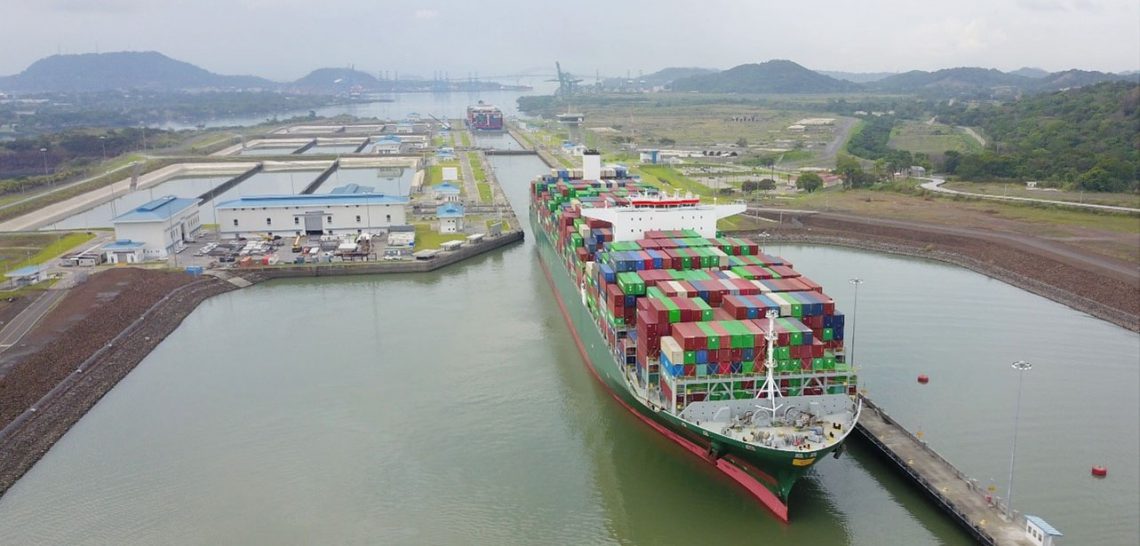
The Panama Canal is temporarily modifying its reservation system for Neopanamax vessels to provide customers with greater booking flexibility and improve the allocation of available capacity as the canal continues to contend with a water deficit.
The changes took effect Aug. 30 for bookings beginning Sept. 13 and will allow customers to obtain more than one reservation slot for the same booking date, as well as slots for two or more consecutive booking dates.
A total of 63 Neopanamax reservation slots will be offered each week, including those allocated through the Long-Term Slot Allocation and NetZero programs.
Neopanamaz vessels are ships built to fit the expanded locks of the Panama Canal.
Customers will also be able to swap or substitute vessels after receiving a slot, provided the replacement vessel has the same or greater Transit TEU Allowance capacity and applicable customer limits are respected. Eligible vessels operating under alliances or vessel-sharing agreements can also participate in swaps or substitutions.
The revised system establishes minimum allocations across the canal’s principal market segments. Full-container vessels will receive at least five slots per booking date, while liquefied petroleum gas and liquefied natural gas vessels will each receive a minimum of three.
Vehicle carriers and roll-on/roll-off vessels, bulkers and other segments will receive a minimum of three slots per week.
When demand within a market segment is insufficient to fill its available slots, the remaining capacity can be redistributed to other eligible segments.
Customer slot limits can be exceeded when no other customer in the same market segment is competing for available capacity. Slots awarded through auctions will not be subject to customer limits.
The Panama Canal said customers are strongly encouraged to use the reservation system while the watershed continues to face a water deficit. A confirmed reservation is the only way to guarantee a specific transit date, while vessels arriving without one could face delays depending on demand and available capacity.

Leave a Reply