IATA launches digital dangerous goods declaration tool for air cargo shipments
Share

Share
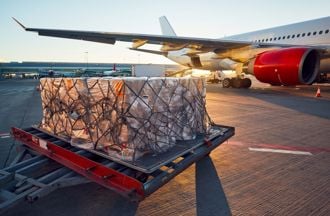
The International Air Transport Association (IATA) has launched a new digital tool designed to streamline the handling of dangerous goods documentation in the air cargo sector.
The organization said its new DG Digital solution, introduced as a feature of the DG AutoCheck platform, allows shippers to create and submit dangerous goods declarations digitally rather than relying on paper documentation.
The system covers more than 3,800 regulated items, including lithium batteries, explosives and chemicals, and aims to improve safety while reducing rejected shipments.
IATA said about 95 per cent of dangerous goods declarations are still received in paper form, requiring documents to be scanned and converted into PDFs before they can be validated. DG Digital allows declarations to be created and transmitted electronically from the shipper through the validation process, creating a more streamlined workflow.
The tool also cross-references requirements in IATA’s Dangerous Goods Regulations to help users identify missing or incorrect documentation before shipments are sent, helping reduce delays, fines and safety risks.
The launch follows a trial in Japan last year involving All Nippon Airways and Japan Airlines along with six freight forwarders. During the trial, only 0.5 per cent of dangerous goods shipments were rejected after digital validation, compared with the current global average rejection rate of 4.5 per cent.
IATA said DG AutoCheck has completed more than one million dangerous goods checks since launching in 2019, with more than one-third of those occurring in 2025 as shipments of hazardous cargo continue to grow.
“IATA’s Dangerous Goods Regulations are focused on reducing complexity and improving safety in the shipment of dangerous goods,” said Frederic Leger, IATA’s senior vice-president, product and services. “DG Digital supports this by digitalizing the shipper’s declaration process, providing all stakeholders—from shipping agents and freight forwarders to ground handlers and airlines—access to the same document. This supports the rapid resolution of any issues in the documentation before an item is physically shipped.”




Leave a Reply